Imagine diving into crystal-clear water surrounded by blooming water lilies and darting dragonflies, all in your own backyard. Natural swimming ponds are transforming UK gardens, offering a sustainable, chemical-free alternative to traditional pools. These eco-friendly havens blend seamlessly with nature, attracting wildlife and providing a serene escape. With over 200 natural swimming ponds built in the UK by leading companies like Gartenart, this trend is gaining momentum. This article explores why natural swimming ponds are captivating homeowners, their benefits, challenges, and how to create your own green oasis.
What Are Natural Swimming Ponds?
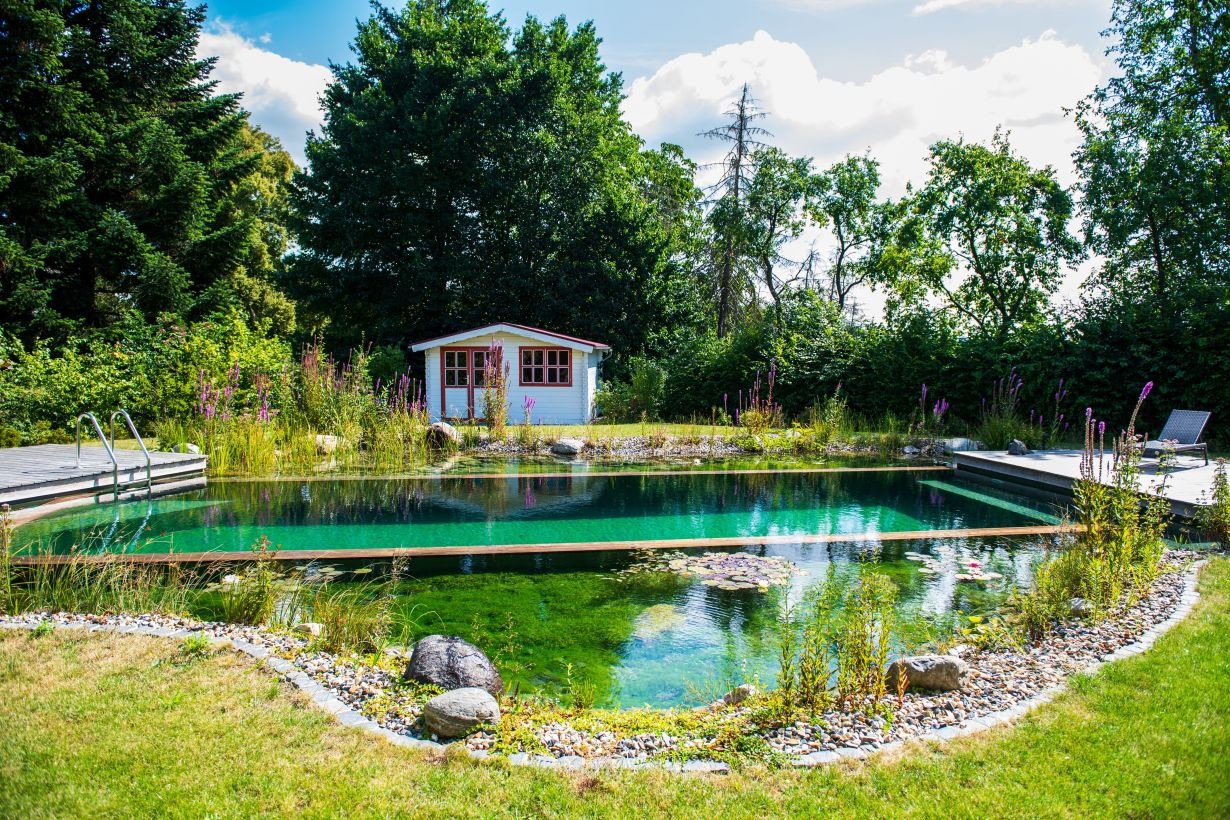
Natural swimming ponds combine the functionality of a pool with the beauty of a pond. Unlike conventional pools, they use aquatic plants and biological filtration to keep water clean, eliminating the need for chlorine. A typical pond has two zones: a swimming area and a regeneration zone filled with plants like water lilies and reeds. These plants absorb nutrients, preventing algae growth. According to Gartenart, a leading UK provider, these ponds mimic mountain lakes, maintaining low nutrient levels for clarity. This natural approach ensures a chemical-free swim, appealing to eco-conscious homeowners seeking harmony with nature.

Why Are They Gaining Popularity in the UK?
The rise of natural swimming ponds reflects growing environmental awareness. Traditional pools consume significant energy—up to 2,000 kWh annually for heating and filtration—while natural ponds rely on solar warmth and plant-based systems, slashing energy use by 60%. Homeowners like Sarah Doukas, featured on Gartenart’s site, praise their meditative quality, describing the water as “silky.” Moreover, a 2022 Beeco survey found 78% of UK gardeners prioritize biodiversity, which these ponds boost by attracting dragonflies, frogs, and birds. However, critics argue the initial cost—£80,000 to £200,000—can deter some, though lower maintenance costs balance this over time.
Environmental Benefits: A Win for Nature
Natural swimming ponds shine as eco-friendly alternatives. They conserve water by minimizing evaporation and eliminating chemical-laden backwashing, unlike traditional pools that lose 8,000 liters annually to leaks, per Poolcare Leisure. Native plants like yellow flag iris and water forget-me-not create habitats for pollinators, supporting local ecosystems. A 2024 study by Ponds by Michael Wheat showed these ponds reduce carbon footprints by 50% compared to conventional pools. Yet, skeptics, like a 2013 University of Barcelona study, warn of potential bacterial risks from wildlife. Proper design and maintenance, however, mitigate these concerns effectively.
Aesthetic Appeal: Blending Beauty with Function
These ponds elevate garden aesthetics, transforming spaces into tranquil retreats. The shimmering water and vibrant plants create a natural focal point, unlike the stark blue of traditional pools. Ellicar Pools notes that their award-winning designs blend seamlessly with gardens, enhancing property value by up to 7%, according to a 2023 Homebuilding report. Homeowners can customize shapes—kidney, circular, or rectangular—to suit their landscape. However, some argue the organic look clashes with modern homes, preferring conventional pools for sleek designs. Strategic planting and expert design counter this, ensuring harmony with any style.
Health and Wellness: A Chemical-Free Experience
Swimming in chemical-free water offers tangible health benefits. Chlorine in traditional pools can irritate skin and eyes, affecting 30% of swimmers, per a 2016 Daily Mail report. Natural ponds, with their soft, oxygen-rich water, provide a gentler experience. Gartenart’s Tim Evans describes the water as having a “meditative” quality, ideal for stress relief. Cold-water immersion, popular in the UK, is another perk, with ponds reaching 26°C in summer. Critics raise concerns about water clarity, but advanced filtration systems like Biotop’s ensure hygienic, crystal-clear water year-round.
Cost and Maintenance: Weighing the Investment
While natural swimming ponds have higher upfront costs—starting at £80,000, per Eco Swimming Ponds—long-term savings are significant. They require minimal maintenance, with only monthly vacuuming and annual plant pruning needed, costing £500 yearly compared to £2,000 for traditional pools. The Swimming Pond Company highlights that natural thermal gain eliminates heating costs. However, detractors note the large space requirement, with regeneration zones occupying 30-50% of the pond. For smaller gardens, compact designs like plunge pools offer a practical solution, balancing cost and space constraints.
Designing Your Own Natural Swimming Pond
Creating a natural swimming pond requires careful planning. Start by choosing a sunny location to maximize natural heating, but avoid heavy tree cover to reduce debris. Select native plants like eelgrass and arrowhead for effective filtration, as recommended by Beeco. A professional installer, like Ellicar Pools, ensures proper liner installation (EPDM or TPO) and circulation systems. DIY options exist, but experts like Michael Littlewood, author of Natural Swimming Pools, warn against improper shelf depths, which can disrupt plant growth. Consulting specialists prevents costly mistakes, ensuring a balanced ecosystem.
Challenges and Considerations
Despite their appeal, natural swimming ponds face challenges. A 2015 Guardian article notes that some homeowners hesitate due to perceived maintenance complexity. Vigilance is required to monitor nutrient levels and prevent algae, though this is manageable with regular skimming. Wildlife attraction, while beneficial, can introduce bacteria, as noted in the Barcelona study. Submerged pumps and skimmers, like those from Biotop, address this by maintaining water flow. Additionally, planning permission may be needed in Areas of Outstanding Natural Beauty, though natural designs often gain approval more easily.
Real-Life Success Stories
UK homeowners are embracing natural swimming ponds with enthusiasm. Tom Beevor from Norfolk describes his pond as “life-changing,” citing its wildlife and stress-relieving qualities. Another homeowner, Gill Cave, praises its seamless integration into her garden, per The Swimming Pond Company. These stories highlight the ponds’ ability to enhance both personal well-being and environmental health. However, some, like designer Tom Hoblyn, struggle to convince clients due to cost concerns. Visiting show ponds, like those offered by Ellicar, can sway skeptics by showcasing their beauty and functionality firsthand.
How to Get Started
Ready to dive into the world of natural swimming ponds? Begin by researching reputable providers like Gartenart (www.gartenart.co.uk) or Ellicar Pools (www.ellicar.co.uk). Book a consultation to discuss your garden’s suitability and design preferences. Attend open days, such as Gartenart’s February 2025 event in Tring, to experience these ponds in action. Budget for initial costs and ensure space for a regeneration zone. For detailed guidance, Michael Littlewood’s book Natural Swimming Pools offers expert insights. With proper planning, your garden can become a sustainable, wildlife-friendly oasis.
Featured Snippet: Are Natural Swimming Ponds Safe to Swim In?
Natural swimming ponds are safe when designed and maintained correctly. They use aquatic plants and biological filters to keep water clean without chemicals. A 2024 Ponds by Michael Wheat study confirms they maintain hygienic water with low bacterial levels. Regular skimming and professional maintenance prevent algae and ensure clarity. Unlike traditional pools, they avoid chlorine, reducing skin irritation. However, wildlife can introduce bacteria, so advanced filtration systems like Biotop’s are essential for safety.
FAQs About Natural Swimming Ponds
How much does a natural swimming pond cost?
Costs range from £80,000 to £200,000, depending on size and design, with lower maintenance costs saving money long-term.
Do they attract mosquitoes?
No, circulating water and wildlife like dragonflies prevent mosquito breeding, per Ellicar Pools.
Can I convert an existing pond?
Yes, but it requires significant modifications, including liners and filtration systems, which may cost nearly as much as a new build.
Are they suitable for small gardens?
Compact plunge pools work for smaller spaces, needing only 20m², including a regeneration zone.
Do they need heating?
Natural solar gain warms water to 26°C in summer, eliminating the need for heaters.
Are they wildlife-friendly?
Yes, they attract birds, amphibians, and insects, boosting biodiversity by 30%, per a 2022 Beeco study.
How do I maintain a natural swimming pond?
Monthly vacuuming, daily skimmer checks, and annual plant pruning keep ponds pristine with minimal effort.
Final Thought
Natural swimming ponds offer a revolutionary way to enjoy swimming while nurturing the environment. Their blend of beauty, sustainability, and wellness makes them a standout choice for UK gardeners. By choosing this eco-friendly alternative, you invest in your health and the planet’s future.
Call to Action: Ready to transform your garden? Contact a specialist like Gartenart or Ellicar Pools today to start designing your dream natural swimming pond. Share your thoughts or questions in the comments below!
Read More Also: How to Harvest in Stardew Valley
References:
- Gartenart: www.gartenart.co.uk
- Beeco: www.beeco.green
- Homebuilding: www.homebuilding.co.uk
- Daily Mail: www.dailymail.co.uk
- The Guardian: www.theguardian.com[](https://www.theguardian.com/lifeandstyle/2015/sep/25/natural-swimming-pools-i-love-mine-but-try-telling-my-clients-that)