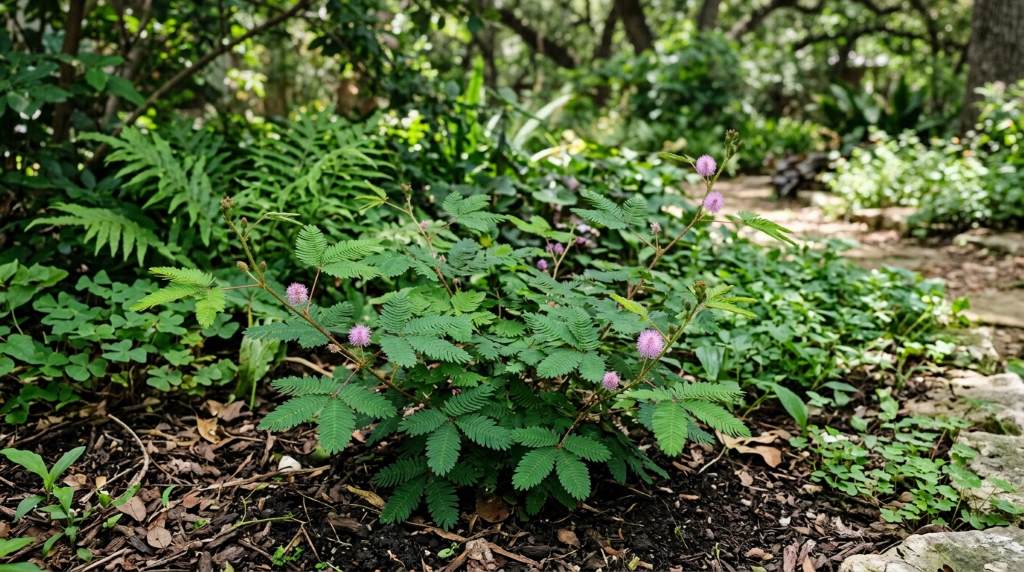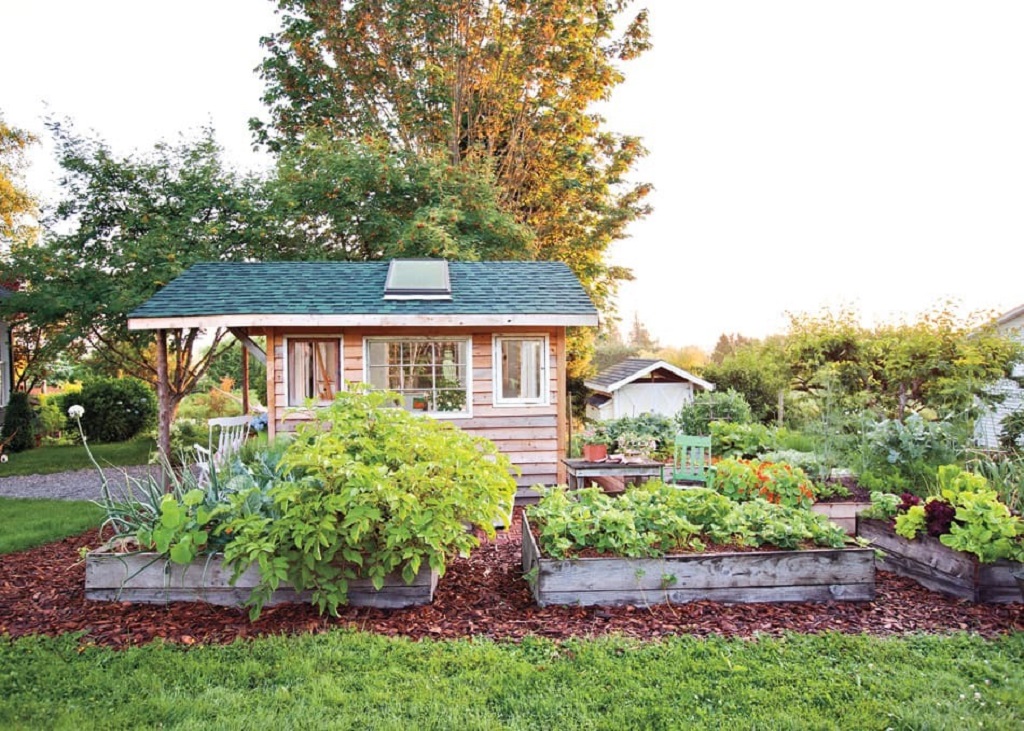
Picture this: you’re strolling through a typical Canadian suburb when suddenly, rows of vibrant tomato plants replace the expected manicured grass. Welcome to the front yard revolution that’s transforming neighborhoods from coast to coast. Canadians are ditching traditional lawns for productive vegetable gardens, creating edible landscapes that feed families while building stronger communities.
The Growing Movement Reshaping Canadian Communities
Canadian homeowners are embracing front yard vegetable gardens with unprecedented enthusiasm. Statistics Canada reveals that 51% of households now grow at least one type of fruit or vegetable at home. Moreover, 17.4% of these gardeners started their journey during the COVID-19 pandemic, marking a significant shift in urban agriculture practices.
The movement extends beyond personal food production. These visible gardens spark conversations between neighbors and inspire others to consider sustainable living practices. Additionally, they challenge conventional notions of suburban aesthetics while addressing pressing concerns about food security and environmental sustainability.
Economic Drivers Behind the Transformation
Rising food costs significantly influence this gardening boom. Canada’s farm-gate value of fruits and vegetables reached $3.0 billion in 2024, representing a 2.5% increase from the previous year. However, these commercial prices don’t reflect what consumers actually pay at grocery stores, which are often much higher.
Front yard gardens offer substantial savings for Canadian families. A well-planned vegetable garden can produce hundreds of dollars worth of fresh produce annually. Furthermore, eliminating lawn maintenance costs – including fertilizers, pesticides, and weekly mowing services – provides additional financial benefits that many households find compelling.
Navigating Municipal Regulations and Neighborhood Politics

The regulatory landscape varies dramatically across Canadian municipalities regarding front yard vegetable gardens. Ottawa explicitly permits growing vegetables in front yards, recognizing them as legitimate land use. Similarly, Edmonton encourages residents to grow food on private property, including front lawns, without requiring permits.
However, some cities maintain restrictive policies. Quebec City technically prohibits front yard vegetable gardens but tolerates them unless neighbors complain. Toronto’s transportation bylaws sometimes conflict with edible landscaping, creating confusion for well-intentioned gardeners who face potential bylaw enforcement.
Understanding local regulations becomes crucial before transforming your front yard. Therefore, contacting municipal offices and reviewing zoning bylaws helps prevent costly misunderstandings. Additionally, engaging neighbors early in the planning process often builds support and reduces potential complaints.
Design Strategies for Successful Front Yard Gardens
Creating attractive front yard vegetable gardens requires thoughtful planning and design expertise. Successful gardens blend productivity with visual appeal, ensuring they enhance rather than detract from neighborhood aesthetics. Raised beds with clean lines, attractive materials, and strategic plant placement create professional-looking installations.
Incorporating flowers, herbs, and ornamental plants alongside vegetables creates visual interest throughout growing seasons. Companion planting techniques maximize space while providing natural pest control benefits. Furthermore, selecting appropriate plant varieties ensures continuous harvests and maintains garden attractiveness from spring through fall.
Accessibility considerations matter tremendously in front yard designs. Wide pathways, ergonomic bed heights, and clear sight lines address both practical gardening needs and municipal safety requirements. Therefore, consulting landscape design principles helps create gardens that satisfy both aesthetic and functional requirements.
Community Building Through Edible Landscapes
Front yard vegetable gardens foster unexpected community connections throughout Canadian neighborhoods. Gardeners often share surplus produce with neighbors, creating informal food networks that strengthen social bonds. Children become curious about growing processes, leading to impromptu educational opportunities about nutrition and environmental stewardship.
These gardens serve as conversation starters that break down social barriers between neighbors. Additionally, they demonstrate sustainable living practices that inspire others to consider environmental alternatives. Many gardeners report increased neighborhood interactions and friendships developing through shared gardening interests and experiences.
Community gardens complement individual front yard efforts by providing shared spaces for learning and collaboration. However, front yard gardens offer immediate accessibility and personal control that many Canadians find appealing in their busy lifestyles.
Environmental Benefits Beyond Food Production
Front yard vegetable gardens contribute significantly to urban environmental health beyond producing fresh food. They reduce carbon footprints by eliminating transportation needs for commercially grown produce. Additionally, they decrease reliance on industrial agriculture systems that often depend heavily on chemical inputs and fossil fuels.
These gardens improve local biodiversity by providing habitat for beneficial insects, birds, and other wildlife. Native pollinator species particularly benefit from diverse plantings that bloom throughout growing seasons. Furthermore, vegetable gardens typically require less water than traditional lawns while providing superior stormwater management through improved soil structure.
Soil health improvements occur rapidly when lawns convert to vegetable gardens. Organic matter additions, reduced chemical applications, and diverse root systems create healthier soil ecosystems. Therefore, these gardens contribute to carbon sequestration while reducing environmental impacts associated with conventional landscaping practices.
Overcoming Common Challenges and Obstacles
Front yard gardeners face unique challenges that backyard gardeners rarely encounter. Public visibility means garden maintenance standards often exceed personal preferences to maintain neighborhood harmony. Additionally, theft and vandalism concerns require strategic planning around plant selection and garden security measures.
Soil quality issues frequently challenge front yard gardeners, particularly in areas with compacted clay or contaminated urban soils. Professional soil testing reveals nutrient deficiencies and contamination levels that influence garden planning decisions. However, raised beds and imported soil amendments effectively address most soil-related problems.
Weather exposure presents additional challenges in front yard locations. Wind protection, sun mapping, and microclimate considerations become crucial for garden success. Furthermore, municipal snow removal operations and sidewalk salt applications require specific plant selections and protective measures during winter months.
Technology Integration and Modern Solutions
Contemporary front yard gardeners increasingly integrate technology solutions to optimize garden productivity and maintenance efficiency. Automated irrigation systems reduce labor requirements while ensuring consistent plant care. Smart sensors monitor soil moisture levels, temperature fluctuations, and nutrient availability throughout growing seasons.
Mobile applications help gardeners track planting schedules, harvest timing, and yield calculations. Additionally, social media platforms connect local gardeners for knowledge sharing, plant swaps, and community building activities. Therefore, technology enhances both garden success rates and social connections within gardening communities.
Vertical growing systems maximize production in limited front yard spaces while creating visually striking installations. Hydroponic and aquaponic systems offer advanced growing options for tech-savvy gardeners interested in cutting-edge agricultural techniques.
Health and Wellness Impacts
Front yard vegetable gardens provide numerous health benefits beyond fresh food access for Canadian families. Physical activity associated with gardening improves cardiovascular health, muscle strength, and joint flexibility. Additionally, outdoor exposure increases vitamin D synthesis while reducing stress levels through connection with nature.
Mental health benefits include reduced anxiety, improved mood regulation, and enhanced sense of accomplishment through successful harvests. Gardening activities provide meditative qualities that many practitioners find therapeutic and restorative. Furthermore, fresh vegetable consumption directly improves nutritional intake and supports overall wellness goals.
Children particularly benefit from involvement in front yard gardening activities. They develop understanding of food systems, environmental stewardship, and personal responsibility. Additionally, hands-on learning experiences create lasting memories and potentially lifelong interests in sustainable living practices.
Future Trends and Predictions
The front yard vegetable garden movement shows no signs of slowing across Canadian communities. Municipal policy changes increasingly support urban agriculture initiatives as cities recognize benefits for food security, environmental sustainability, and community building. Therefore, regulatory barriers continue diminishing while support programs expand.
Climate change considerations drive increased interest in local food production and resilient community systems. Front yard gardens provide adaptation strategies that reduce dependence on vulnerable supply chains. Additionally, extreme weather events highlight advantages of diverse, distributed food production systems.
Integration with renewable energy systems, such as solar panels and rainwater collection, represents emerging trends in sustainable landscaping. Smart home integration will likely expand as technology costs decrease and user-friendly solutions become more accessible to average homeowners.
Featured Snippet: Quick Guide to Front Yard Vegetable Gardens in Canada
What are front yard vegetable gardens and why are they popular in Canada?
Front yard vegetable gardens replace traditional lawns with productive food crops, creating edible landscapes in residential neighborhoods. These gardens have gained massive popularity across Canada, with 51% of households now growing some form of produce at home. The movement accelerated during COVID-19, when 17.4% of current gardeners started their food-growing journey. Rising grocery costs, environmental concerns, and community building opportunities drive this trend. While municipal regulations vary by city, many Canadian communities now actively support front yard food production through policy changes and educational programs.
Frequently Asked Questions
Q: Are front yard vegetable gardens legal in Canada?
A: Legality varies by municipality. Cities like Ottawa and Edmonton explicitly permit front yard food gardens, while others like Quebec City technically prohibit them but don’t enforce restrictions unless neighbors complain. Always check local zoning bylaws before starting your garden.
Q: How much money can front yard gardens save Canadian families?
A: Well-planned vegetable gardens can produce hundreds of dollars worth of fresh produce annually. Additionally, eliminating lawn maintenance costs – fertilizers, pesticides, and mowing services – provides extra savings that make gardens financially attractive investments.
Q: What vegetables grow best in Canadian front yard gardens?
A: Cold-hardy crops like kale, carrots, potatoes, and Brussels sprouts thrive in most Canadian climates. Tomatoes, peppers, and beans perform well in warmer regions. Choose varieties suited to your specific hardiness zone and growing season length.
Q: How do neighbors typically react to front yard vegetable gardens?
A: Initial reactions vary, but most neighbors become supportive once gardens establish. Many gardeners report increased community interactions, shared harvests, and new friendships developing through their visible gardens. Professional design helps gain neighborhood acceptance.
Q: Do front yard gardens increase property values?
A: Well-designed edible landscapes can enhance property values, particularly as sustainability features become more desirable. However, poorly maintained gardens might have negative impacts. Professional design and consistent maintenance prove crucial for property value considerations.
Q: What maintenance do front yard vegetable gardens require?
A: Front yard gardens typically require more maintenance than backyard plots due to public visibility. Regular weeding, watering, harvesting, and seasonal cleanup become essential. However, maintenance needs decrease as gardens mature and soil health improves.
Q: How can I start a front yard vegetable garden in Canada?
A: Begin by researching local bylaws and engaging neighbors early. Test soil quality, plan garden layout with aesthetics in mind, and start small with easy-growing crops. Consider raised beds for better soil control and visual appeal.
Related Topics: Harvest in Stardew Valley
Final Thought
The transformation from lawn to lunch represents more than a gardening trend – it’s a fundamental shift toward sustainable living, community building, and food security. Canadian neighborhoods embracing front yard vegetable gardens create resilient communities that prioritize environmental stewardship while strengthening social connections. As municipal policies evolve and public acceptance grows, these edible landscapes will likely become standard features of forward-thinking communities across the country.
Ready to transform your front yard into a productive paradise? Start by researching your local bylaws, engaging your neighbors, and planning a garden design that balances beauty with bounty. Join the growing movement of Canadians who are literally growing their communities, one front yard at a time.