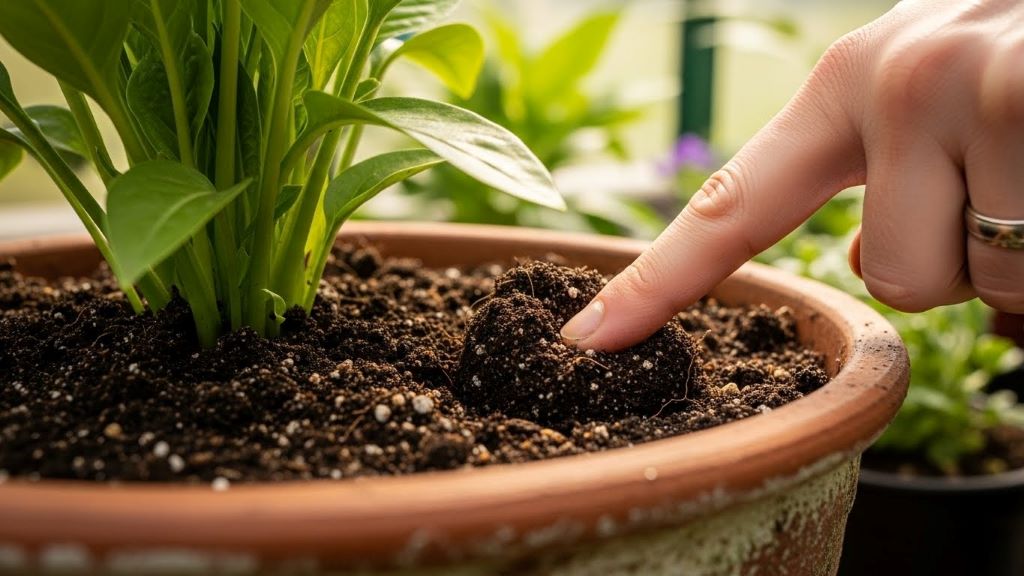
Raised garden beds are elevated plots that offer gardeners a better way to grow vegetables. They’re easy to manage, reduce strain on your back, and provide better soil control. But how exactly do they improve your gardening experience? Let’s dive into the basics of raised garden beds and why they are ideal for growing vegetables.
How Do Raised Garden Beds Benefit Vegetable Growth?
Answer: Raised garden beds enhance plant growth by improving soil quality, providing better drainage, and preventing pests from reaching your crops.
Raised beds ensure that vegetables get optimal growing conditions. The soil remains loose and well-drained, preventing root rot, a common issue in traditional garden plots. The beds also keep weeds at bay and make it easier to control soil quality, allowing you to tailor your growing environment to the needs of specific crops.
What Are the Best Vegetables to Grow in Raised Garden Beds?
Answer: Some of the best vegetables for raised garden beds include tomatoes, lettuce, carrots, spinach, and radishes.
These vegetables thrive in the loose, well-drained soil of raised beds. Root vegetables like carrots and radishes appreciate the deep, unfettered space to spread their roots. Leafy greens such as lettuce and spinach enjoy the controlled conditions provided by raised beds, making them perfect choices for beginners.
- Tomatoes – Need lots of sunlight and well-drained soil.
- Carrots – Grow best in deep, loose soil.
- Spinach – Requires moderate sunlight and cool conditions.
- Radishes – Quick-growing and ideal for smaller beds.
- Lettuce – Grows well in cooler temperatures and provides multiple harvests.
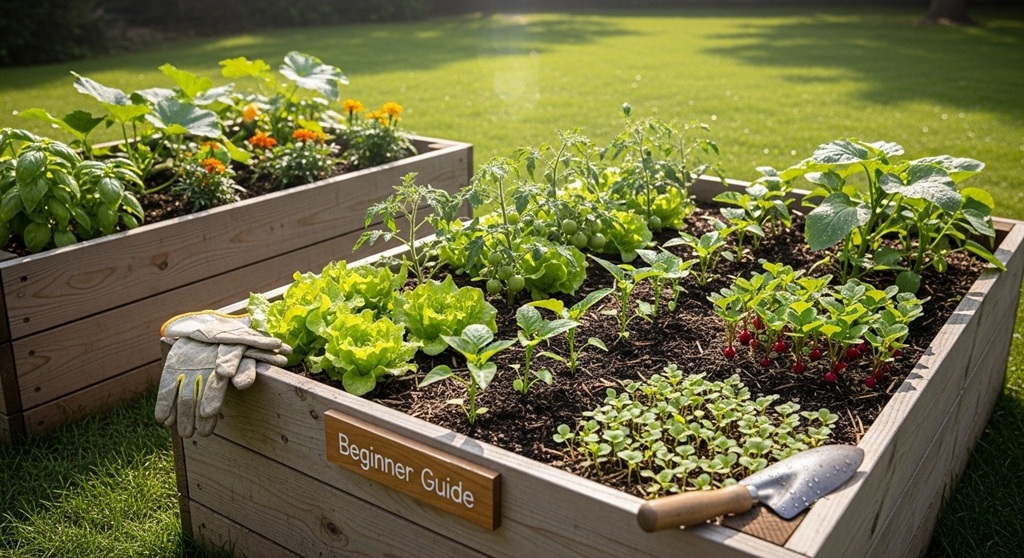
How Do You Build a Raised Garden Bed?
Answer: Building a raised garden bed involves selecting the right materials, ensuring good drainage, and filling it with high-quality soil.
Building your own raised garden bed is easier than you might think. Here’s how to get started:
- Choose Your Location: Find a sunny spot that gets 6-8 hours of sunlight per day.
- Pick Your Materials: You can use wood, bricks, or stone to build the frame. Make sure it’s durable enough to hold soil for multiple seasons.
- Prepare the Base: Add a layer of gravel for proper drainage.
- Fill with Soil: Use a mix of compost, peat moss, and vermiculite or perlite to ensure a well-draining, nutrient-rich soil base.
What Are Common Problems When Growing Vegetables in Raised Garden Beds?
Answer: Common issues include soil compaction, poor drainage, and pest invasions.
Raised garden beds are not immune to challenges. Soil can compact over time, reducing root growth and water retention. Poor drainage can also cause waterlogging, leading to root rot. Additionally, pests like aphids and slugs may find their way into your garden bed, posing a threat to your crops.
To avoid these problems, regularly refresh your soil and ensure your raised bed has proper drainage. Consider using pest barriers or natural repellents to protect your vegetables.
How to Maintain Your Raised Garden Bed?
Answer: Maintain your raised garden bed by regularly watering, fertilizing, and monitoring for pests.
Maintaining a healthy raised garden bed is key to keeping your vegetables thriving. Here’s how to care for your raised bed garden:
- Watering: Raised beds dry out faster, so regular watering is essential. Water deeply to reach the root zone.
- Fertilizing: Use organic fertilizers to keep the soil rich in nutrients.
- Pest Control: Keep an eye out for common pests, and use organic methods like neem oil or row covers to protect your plants.
Conclusion: Start Your Raised Garden Bed Today!
Raised garden beds provide a simple yet effective way to grow vegetables, even if you have limited space or poor soil. They are beginner-friendly and offer a variety of benefits such as improved drainage, soil quality, and reduced pest invasions. By following the tips and steps provided in this guide, you’ll be well on your way to growing fresh, healthy vegetables in your own backyard.
If you’re ready to transform your garden, consider starting with a raised bed. You’ll be amazed at how much easier and more rewarding gardening can be!
Frequently Asked Questions
1. Can I build a raised garden bed without wood?
Answer: Yes, you can use materials like bricks, stones, or concrete blocks to create a raised bed. Just ensure the materials are durable and provide adequate drainage.
2. How deep should my raised garden bed be?
Answer: The ideal depth for a raised bed is 6 to 12 inches. Deeper beds are better for root vegetables, but 6 inches is sufficient for most crops.
3. How often should I water my raised garden bed?
Answer: Raised beds dry out faster than traditional gardens, so you should water them every 2-3 days, or more frequently during hot weather.
4. Can I grow vegetables in a raised bed during the winter?
Answer: Yes, you can grow cold-tolerant vegetables like kale, spinach, and lettuce in a raised bed during the winter, especially if you use row covers for protection.
5. What type of soil should I use in a raised garden bed?
Answer: A good mix includes compost, peat moss, and perlite or vermiculite. This combination ensures the soil is well-draining, nutrient-rich, and lightweight.
6. Can I use my old garden soil in raised beds?
Answer: It’s not recommended to use old garden soil, as it may be compacted and depleted of nutrients. Fresh, high-quality soil mix will work best for raised beds.
Read More Also: How to Harvest in Stardew Valley: A Complete Guide for Beginners
Find out: How to grow potatoes: use very large pots, fertile soil, and compost.