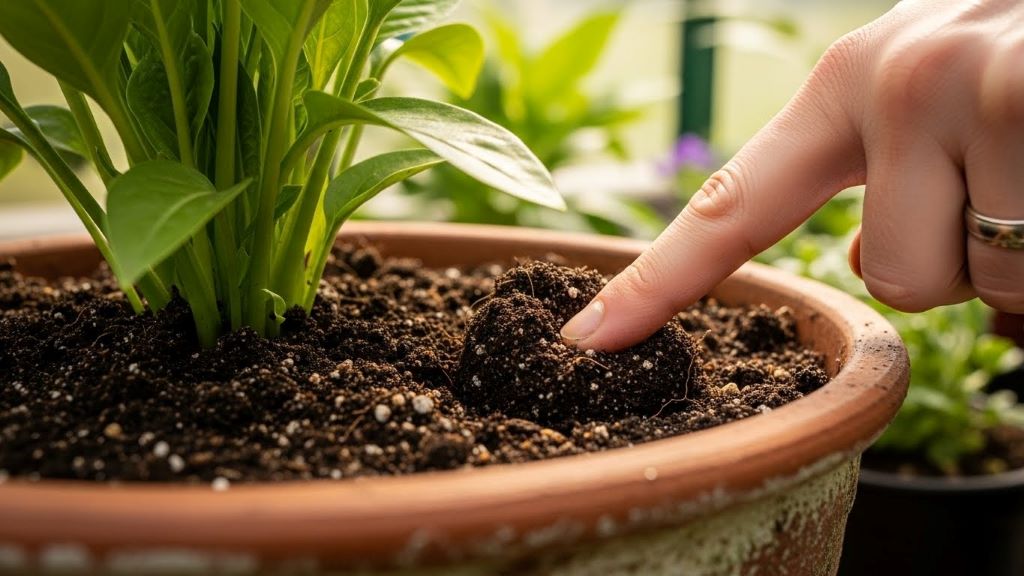
Your struggling houseplants don’t need expensive fertilizers to bounce back. Instead, the solution might be sitting right in your kitchen trash. Kitchen scraps contain valuable nutrients that can transform wilting, yellowing plants into thriving green companions. This sustainable approach saves money while reducing household waste.
Understanding Why Plants Become Weak
Plants lose their vigor for several reasons. Poor soil quality ranks among the most common culprits. Additionally, nutrient deficiencies prevent plants from producing healthy foliage. Over time, potting soil becomes depleted as plants absorb available minerals and organic matter breaks down.
Weak plants typically display telltale signs. Yellow leaves indicate nitrogen deficiency, while stunted growth suggests phosphorus shortage. Furthermore, pale or discolored foliage often points to iron or magnesium deficits. Recognizing these symptoms helps you choose the right kitchen waste remedies.
The Science Behind Kitchen Waste as Plant Food
Kitchen scraps work because they contain essential nutrients plants need. Nitrogen promotes leafy growth and vibrant green color. Phosphorus supports root development and flowering. Moreover, potassium strengthens plant immunity and overall health.
When organic matter decomposes, beneficial microorganisms break it down into plant-available nutrients. This process enriches soil structure and improves moisture retention. Therefore, using kitchen waste creates a healthier growing environment for struggling plants.
Coffee Grounds: A Nitrogen Boost
Used coffee grounds provide an excellent nitrogen source for acid-loving plants. Roses, azaleas, blueberries, and tomatoes particularly benefit from this amendment. The grounds also improve soil drainage and attract earthworms.
However, moderation matters with coffee grounds. Sprinkle a thin layer around the plant base and mix it into the top inch of soil. Too much can create water-repellent clumps. Additionally, let the grounds cool and dry slightly before application to prevent mold growth.
Eggshells for Calcium and Pest Control
Crushed eggshells deliver calcium, which prevents blossom end rot in tomatoes and peppers. They also deter slugs and snails when scattered around plant bases. Furthermore, eggshells slowly release nutrients as they decompose.
Rinse eggshells thoroughly and let them dry completely. Then crush them into small pieces using a mortar and pestle or coffee grinder. Sprinkle the powder around weak plants or mix it into potting soil. This simple addition strengthens cell walls and promotes robust growth.
Banana Peels: Potassium Powerhouse
Banana peels contain high potassium levels along with phosphorus and calcium. These nutrients encourage flowering, fruiting, and disease resistance. Roses, tomatoes, and peppers respond exceptionally well to banana peel treatments.
Cut banana peels into small pieces and bury them near plant roots. Alternatively, steep peels in water for several days to create a nutrient-rich tea. Strain the liquid and use it to water struggling plants every two weeks. The results often become visible within a few applications.
Vegetable Cooking Water
Water used for boiling vegetables contains dissolved vitamins and minerals. Instead of pouring this valuable liquid down the drain, let it cool completely and water your plants with it. However, avoid using salted water, as salt damages plant roots and soil structure.
Pasta water, potato water, and water from steaming vegetables all work effectively. This zero-waste approach costs nothing and provides gentle nutrition. Moreover, it helps maintain consistent soil moisture, which stressed plants desperately need.
Citrus Peels for Acidic Soil
Orange, lemon, and lime peels benefit acid-loving plants like gardenias and hydrangeas. The peels lower soil pH while adding nutrients and deterring pests. Additionally, they contribute pleasant fragrance as they decompose.
Chop citrus peels into small pieces before adding them to soil. Bury them a few inches deep to prevent mold growth on the surface. According to gardening experts, citrus peels should be used sparingly because excessive amounts can make soil too acidic for most plants.
Grass Clippings and Green Tea
Fresh grass clippings provide quick-release nitrogen when used as mulch. Apply a thin layer around weak plants, but avoid thick clumps that can heat up and damage stems. The clippings also suppress weeds and retain soil moisture.
Used green tea bags or loose tea leaves offer similar benefits. They contain tannic acid and nutrients that acid-loving plants appreciate. Simply bury used tea bags near plant roots or sprinkle dried tea leaves onto the soil surface.
Creating Compost Tea
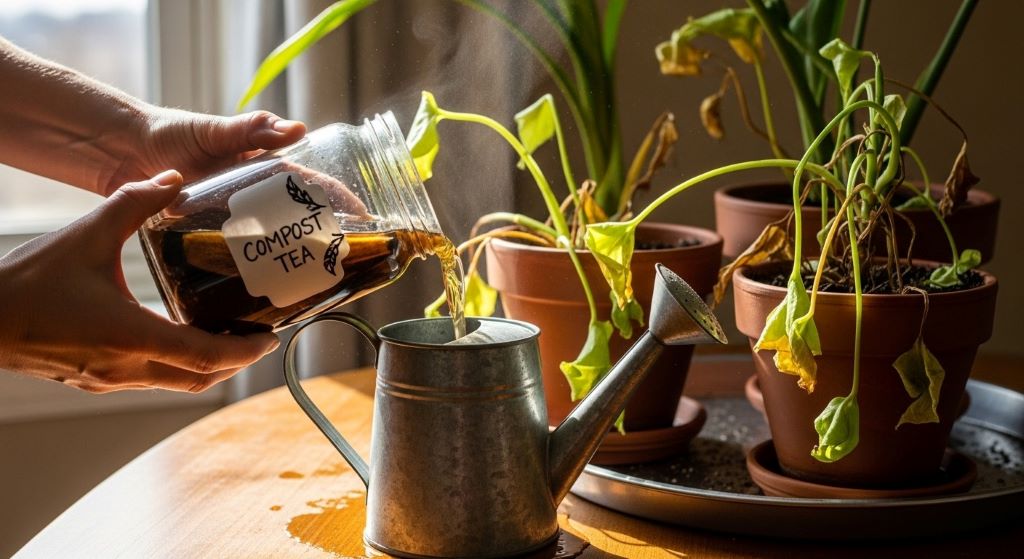
Compost tea combines multiple kitchen scraps into a powerful liquid fertilizer. Fill a bucket with water and add vegetable scraps, fruit peels, and coffee grounds. Let the mixture steep for three to five days, stirring daily.
Strain out solids and dilute the dark liquid with equal parts water. Use this nutrient-dense tea to water weak plants every week. The beneficial microorganisms in compost tea improve soil health while delivering immediate nutrition.
Wood Ash for Alkalinity
Fireplace or wood stove ash raises soil pH and provides potassium and calcium. Vegetables like tomatoes, carrots, and onions benefit from wood ash applications. However, acid-loving plants should never receive this amendment.
Sprinkle a light dusting of wood ash around plant bases and water it in thoroughly. Use this treatment sparingly, as excessive ash can make soil too alkaline. Furthermore, only use ash from untreated, unpainted wood to avoid toxic chemicals.
Application Tips and Best Practices
Success with kitchen waste depends on proper application methods. Always bury fresh scraps slightly below the soil surface to prevent odors and pests. Additionally, rotate different amendments to provide balanced nutrition rather than relying on single ingredients.
Monitor your plants’ response to treatments. Healthy new growth and greener leaves indicate improvement. Therefore, continue your chosen regimen consistently. Most plants show visible recovery within two to four weeks of regular kitchen waste applications.
Avoid overfeeding, which causes as many problems as nutrient deficiency. Young seedlings and newly potted plants need gentler treatment than established specimens. Moreover, some plants have specific requirements that kitchen waste alone cannot meet.
When Kitchen Waste Is Not Enough
Sometimes weak plants need more than organic amendments. Severe pest infestations, root rot, or disease require different interventions. Additionally, plants suffering from extreme light or temperature stress benefit more from environmental adjustments than fertilization.
If kitchen waste treatments don’t improve plant health within a month, consider other factors. Check for proper drainage, adequate sunlight, and appropriate watering schedules. Professional soil testing can also reveal specific deficiencies that targeted fertilizers address better than kitchen scraps.
Conclusion
Reviving weak plants using kitchen waste offers an economical and environmentally friendly solution. Coffee grounds, eggshells, banana peels, and vegetable water all provide valuable nutrients that struggling plants need. Moreover, this approach reduces household waste while creating healthier, more vibrant gardens. By understanding which kitchen scraps benefit specific plants and applying them correctly, you can transform failing specimens into thriving successes. Start saving your kitchen waste today and watch your weak plants regain their strength naturally.
Frequently Asked Questions
Can I use moldy kitchen scraps on my plants?
Avoid using moldy scraps directly on plants, as certain molds can spread disease. However, composting moldy materials at proper temperatures kills harmful pathogens. Fresh or dried scraps work best for immediate application.
How often should I apply kitchen waste to weak plants?
Apply kitchen waste amendments every two to four weeks during the growing season. Too frequent applications can overwhelm plants with nutrients. Additionally, reduce or stop applications during dormant winter months when plants aren’t actively growing.
Which plants should not receive coffee grounds?
Plants preferring alkaline soil, such as lavender, rosemary, and clematis, don’t benefit from acidic coffee grounds. These plants perform better with wood ash or crushed eggshells instead. Always research specific plant preferences before applying amendments.
Is it safe to use kitchen waste on edible plants?
Kitchen waste is generally safe for vegetable gardens and fruit plants. However, ensure scraps come from your own kitchen to avoid potential contamination. Wash produce thoroughly before consumption regardless of fertilization methods.
How long does it take to see results from kitchen waste treatments?
Most plants show improvement within two to four weeks of consistent treatment. New growth appears greener and more vigorous as nutrient levels improve. However, severely depleted plants may need two to three months to fully recover.
Related Topics:
Unearthing Potential: Why Testing Biochar as a Soil Amendment is Key to Success
From Kitchen Scraps to Gourmet Delights: Your Ultimate Guide to Growing Mushrooms at Home