Knowing when to water your garden can feel like guesswork. However, there is a simple and reliable method that requires no special tools. The finger test has been used by gardeners for generations to determine soil moisture levels accurately. This straightforward technique helps you avoid overwatering or underwatering your plants, ensuring they thrive throughout the growing season.
Understanding the Finger Test Method
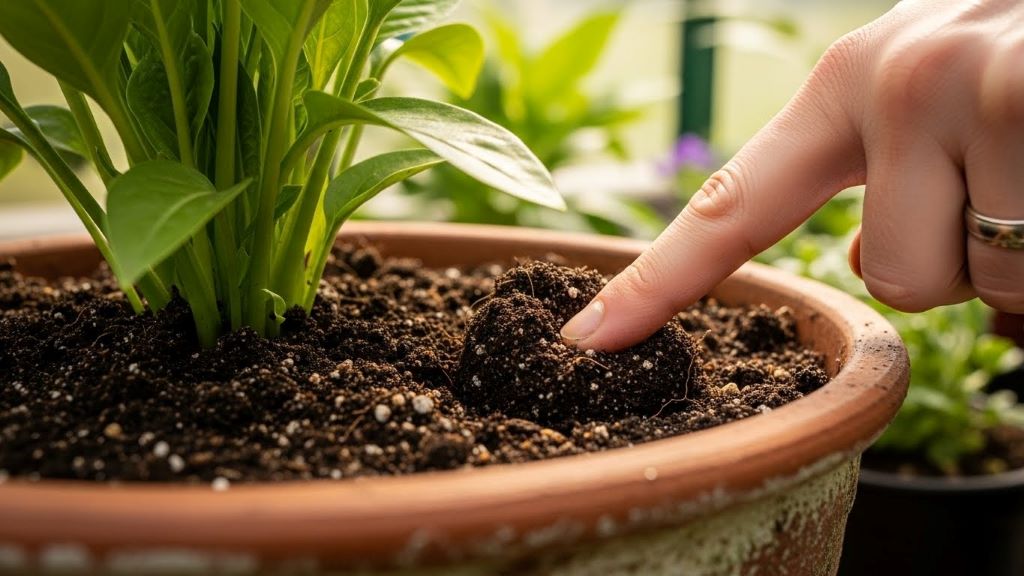
The finger test is exactly what it sounds like. You simply insert your finger into the soil to check moisture levels. This tactile approach gives you immediate feedback about whether your garden needs water. Therefore, you can make informed decisions without expensive moisture meters or complex calculations.
To perform the test, push your index finger into the soil near your plant’s base. Insert it to a depth of about two to three inches. This depth is crucial because surface soil can be dry while moisture remains below. Additionally, checking at root level gives you the most accurate reading of what your plants actually experience.
How to Perform the Finger Test Correctly
Start by selecting a spot close to your plant but not directly against the stem. Gently push your finger straight down into the soil. You should feel the texture and moisture level as you go deeper. If the soil feels dry and crumbly at your fingertip, your garden needs water. Conversely, if you feel moisture or the soil sticks to your finger, you can wait before watering.
Different plants have varying water requirements. Vegetables and annual flowers typically need consistent moisture. Meanwhile, established perennials and drought-tolerant plants prefer drier conditions between waterings. Therefore, understanding your specific plant needs is essential for proper garden care.
The time of day matters when conducting your test. Morning is generally the best time to check soil moisture. The soil has had all night to absorb any previous watering. Furthermore, morning assessments help you water before the day’s heat increases evaporation rates.
Interpreting Your Finger Test Results
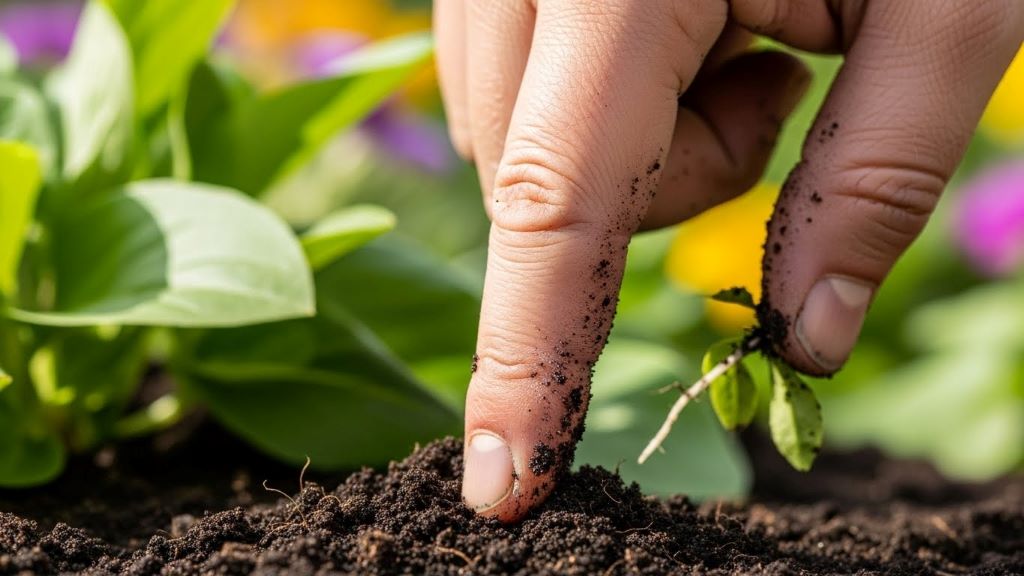
When your finger comes out clean and dry, the soil lacks adequate moisture. This means your plants are likely stressed and need water soon. You might also notice the soil feels powdery or dusty to the touch. These signs indicate it is time to water deeply and thoroughly.
If your finger feels slightly damp and cool, the moisture level is usually perfect. The soil should leave a slight residue but not be muddy. This balanced condition means your plants have access to water without sitting in overly wet conditions. Therefore, you can skip watering for another day or two.
Wet or muddy soil that sticks heavily to your finger signals overwatering. This situation can be just as harmful as drought. Excess moisture suffocates roots and encourages fungal diseases. Consequently, you should hold off on watering and improve drainage if this occurs frequently.
Benefits of Using the Finger Test
This method costs nothing and requires no special equipment. You already have everything you need attached to your hand. Additionally, the finger test works in any garden setting, from raised beds to container gardens to traditional in-ground plots.
The tactile nature of this test provides nuanced information. You can feel soil texture, temperature, and moisture simultaneously. This multisensory feedback helps you understand your soil’s overall health. Moreover, regular testing increases your familiarity with your garden’s unique watering patterns.
Using the finger test prevents common watering mistakes. Many gardeners water on a fixed schedule regardless of actual need. However, weather conditions, plant growth stages, and soil type all affect water requirements. The finger test accounts for these variables naturally.
Factors That Affect Soil Moisture
Weather plays the biggest role in how quickly soil dries out. Hot, sunny days increase evaporation dramatically. Windy conditions also dry soil faster than calm weather. Therefore, you may need to test more frequently during heat waves or drought periods.
Soil composition significantly impacts water retention. Clay soils hold moisture longer but drain slowly. Sandy soils drain quickly but require more frequent watering. Understanding your soil type helps you interpret finger test results more accurately. According to experts at the University of California Agriculture and Natural Resources, soil texture is one of the primary factors affecting irrigation needs.
Plant size and maturity level influence water needs too. Seedlings and newly transplanted specimens need consistent moisture. Established plants with deep root systems can tolerate drier conditions. Additionally, plants in active growth or flowering stages require more water than dormant plants.
Container gardens dry out faster than in-ground beds. Pots have limited soil volume and increased air circulation around all sides. Consequently, container plants may need water daily during hot weather, while ground plantings need less frequent irrigation.
Common Mistakes to Avoid
Many gardeners only check surface soil moisture. This leads to frequent, shallow watering that encourages weak root systems. Always insert your finger deep enough to reach the root zone. Surface dryness does not necessarily mean plants need water immediately.
Another mistake is watering at the wrong time of day. Evening watering leaves foliage wet overnight, promoting disease. Midday watering wastes water to evaporation. Morning watering allows leaves to dry quickly while giving plants moisture for the day ahead.
Some people water until they see runoff, thinking this ensures adequate moisture. However, if soil is very dry, water runs off the surface without penetrating. Therefore, water slowly and give the soil time to absorb moisture gradually.
Adapting the Test for Different Garden Areas
Vegetable gardens typically need consistent moisture for optimal production. Check multiple spots since different crops have varying root depths. Tomatoes and peppers need moisture deeper down than lettuce and herbs. Therefore, test in several locations to get a complete picture.
Flower beds may have mixed water requirements depending on plant types. Native and drought-tolerant species need less water than tropical plants or annuals. Test near each plant type separately rather than assuming the whole bed needs the same treatment.
For lawns, the finger test works slightly differently. Push a screwdriver or similar tool into the turf. If it penetrates easily to six inches, moisture is adequate. If the tool meets resistance, the lawn needs watering. This adaptation works because grass roots grow differently than garden plants.
Enhancing Garden Watering Efficiency
Mulching significantly reduces watering frequency. A two-to-three-inch layer of organic mulch keeps soil moist longer. It also moderates soil temperature and suppresses weeds. Consequently, you will need to water less often while plants stay healthier.
Drip irrigation systems deliver water directly to root zones efficiently. These systems minimize waste and keep foliage dry. When combined with regular finger testing, drip irrigation becomes even more effective. You can adjust timing and duration based on actual soil conditions.
Improving soil structure helps retain moisture naturally. Adding compost increases water-holding capacity in sandy soils. It also improves drainage in clay soils. Therefore, annual soil amendment makes the finger test even more reliable over time.
When to Water Based on Test Results
If the finger test shows dry soil, water deeply rather than lightly. Deep watering encourages roots to grow downward seeking moisture. This creates stronger, more drought-resistant plants. Aim to moisten soil to a depth of six to eight inches for most garden plants.
The frequency of watering depends on your specific conditions. During cool spring weather, you might water once a week. In hot summer, daily watering may be necessary for containers. Let the finger test guide you rather than following rigid schedules.
Group plants with similar water needs together. This makes watering more efficient and helps you remember which areas need checking most often. Additionally, it prevents overwatering drought-tolerant plants or underwatering moisture-lovers.
Conclusion
The simple finger test remains one of the most reliable methods for determining when your garden needs water. This free, equipment-free technique provides accurate, immediate feedback about soil moisture levels. By inserting your finger two to three inches into the soil, you can feel whether plants need water or can wait another day.
This method helps you avoid the twin problems of overwatering and underwatering. It accounts for weather changes, plant growth stages, and soil variations automatically. Regular use of the finger test leads to healthier plants, reduced water waste, and a deeper understanding of your garden’s unique needs. Therefore, make this simple technique part of your regular gardening routine for best results.
Frequently Asked Questions
How deep should I insert my finger when testing soil moisture?
Insert your finger two to three inches deep into the soil. This depth reaches the root zone where plants actually absorb water. Surface soil can be misleading since it dries out quickly while moisture remains below.
How often should I perform the finger test?
Check soil moisture every two to three days during moderate weather. In hot, dry conditions, test daily for containers and every other day for in-ground gardens. Adjust frequency based on weather patterns and plant responses.
Can I use the finger test for all types of plants?
Yes, the finger test works for vegetables, flowers, shrubs, and even lawns with slight modifications. However, interpret results based on specific plant water requirements. Succulents prefer drier soil while ferns need consistent moisture.
What if my soil is too hard to insert my finger?
Very hard, compacted soil indicates poor structure and likely needs amendment with organic matter. In the short term, use a thin tool like a screwdriver to check moisture. Long-term, improve soil quality by adding compost regularly.
Is the finger test as accurate as moisture meters?
The finger test can be equally accurate with practice and costs nothing. Moisture meters provide numerical readings but can malfunction or give false readings in different soil types. Many experienced gardeners prefer the tactile feedback of the finger test.
Related Topics: