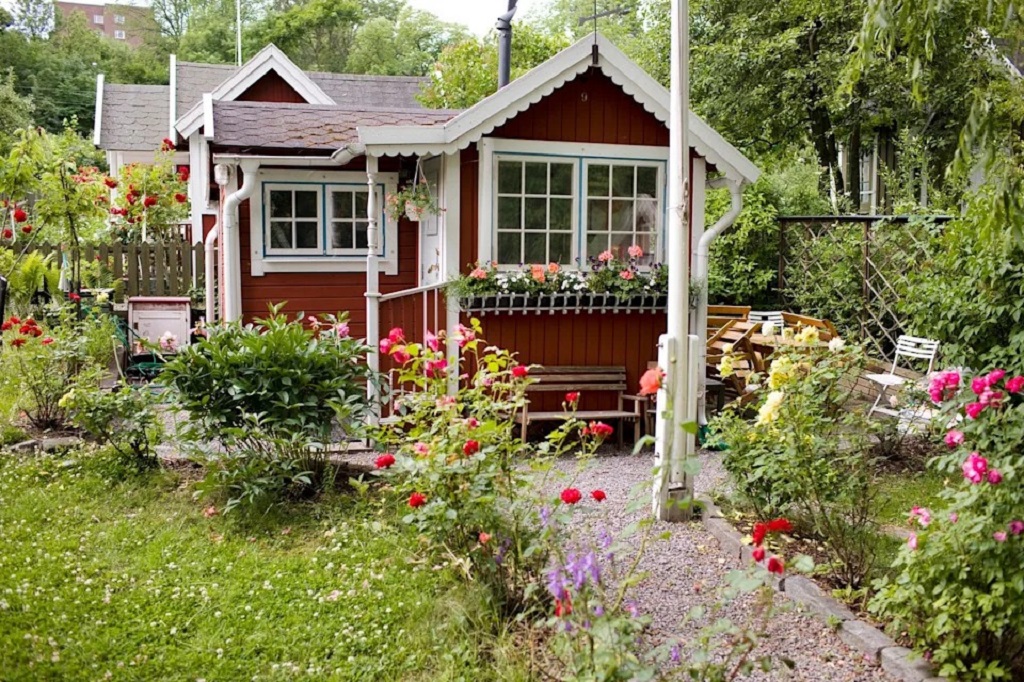
Picture this: a tiny urban balcony bursting with lush greenery, vibrant flowers, and a cozy nook for sipping morning coffee. This isn’t a dream—it’s the Scandinavian garden trend called koloniträdgårdar, sweeping across UK cities. Originating in Sweden, koloniträdgårdar are small, functional garden plots, often paired with quaint cottages, designed to bring nature to urban dwellers. With 80% of UK residents living in urban areas, according to the Office for National Statistics, space is a premium. Koloniträdgårdar offer a solution, transforming balconies into serene, sustainable oases. This article dives into how this trend adapts to UK city balconies, offering practical tips, expert insights, and real-world inspiration to create your own urban sanctuary.
What Are Koloniträdgårdar?
Koloniträdgårdar, meaning “colony gardens” in Swedish, started in the early 20th century to provide city workers with plots for growing food and escaping urban life. These plots, typically 90-100 square meters, blend functionality with relaxation. In Stockholm, over 7,000 such gardens exist, fostering community and well-being, as noted by The New York Times. For UK balconies, the concept shrinks to fit smaller spaces, focusing on vertical gardening, potted plants, and sustainable practices. The Swedish principle of “lagom”—meaning “just right”—guides this trend, emphasizing balance over excess. Unlike traditional gardens, koloniträdgårdar prioritize simplicity, ensuring even beginners can create a thriving space.

Why Koloniträdgårdar Suit UK City Balconies
Urban living in the UK often means limited outdoor space. The Royal Horticultural Society reports that 30% of UK homes lack gardens, making balconies critical for greenery. Koloniträdgårdar fit perfectly, requiring minimal space while maximizing impact. Their compact design suits balconies as small as 5 square meters. Additionally, the trend aligns with the UK’s growing interest in sustainability, with 67% of Brits wanting eco-friendly lifestyles, per a 2024 YouGov survey. By using rainwater collection and native plants, koloniträdgårdar reduce environmental impact. However, some argue balconies lack the community aspect of traditional koloniträdgårdar. Yet, online forums and local gardening groups can replicate this connection, making the trend adaptable.
Designing Your Balcony Koloniträdgård
Creating a koloniträdgård on your balcony starts with thoughtful planning. Swedish garden designer Annika Zetterman suggests treating the space like an outdoor room, with defined areas for planting, seating, and storage. Begin by assessing your balcony’s sunlight—most UK balconies get partial sun, ideal for hardy plants. Use vertical space with wall-mounted planters or trellises for climbing plants like ivy or clematis, as recommended by Homes & Gardens. Choose lightweight, weather-resistant materials like wood or metal for pots and furniture. For cohesion, repeat colors and textures, such as pale wood tones and soft greens. A small bistro table and cushions add a cozy, Scandinavian “hygge” vibe, perfect for relaxation.
Best Plants for a Balcony Koloniträdgård
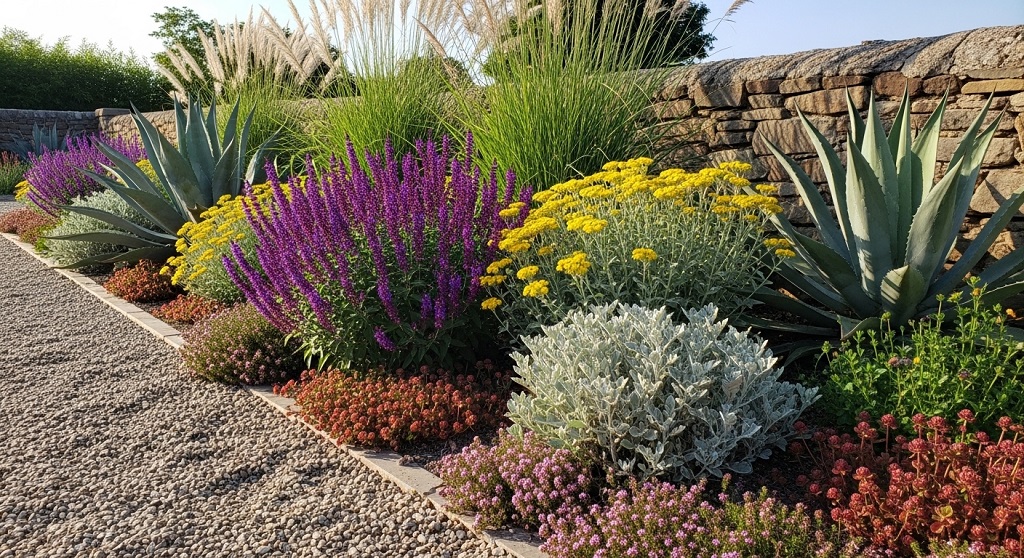
Plant selection is crucial for a successful koloniträdgård. Opt for low-maintenance, climate-resilient species that thrive in the UK’s variable weather. Emilie Bausager, a Danish-British garden designer, recommends ornamental grasses, scabiosa, and campanula for their airy texture and durability. Ferns work well in shady corners, while birch or pine saplings in pots add structure. Pelargoniums, beloved in Sweden, bring pops of color and survive indoors during winter. A 2023 RHS study found that native plants like yarrow and thyme attract pollinators, boosting biodiversity. However, some gardeners prefer exotic plants for variety, though these may require more care. Balance aesthetics with practicality by mixing perennials and herbs like rosemary or mint.
Sustainable Practices for Urban Gardening
Sustainability lies at the heart of koloniträdgårdar. Collect rainwater using a small barrel, like those from Crocus (£189.99), to reduce water bills. Composting kitchen scraps creates nutrient-rich soil, cutting waste by up to 30%, per the UK’s Waste and Resources Action Programme. Choose organic fertilizers to avoid chemical runoff. Additionally, incorporate wildlife-friendly features, such as birdbaths or bee hotels, to support urban ecosystems. Critics might argue that balcony composting is messy, but small, odor-free compost bins solve this issue. These practices not only benefit the environment but also deepen your connection to nature, a core Scandinavian value.
Creating a Cozy, Functional Space
Koloniträdgårdar blend beauty with utility, making them ideal for UK balconies. Add a small water feature, like a repurposed wine barrel, for tranquility, as Annika Zetterman suggests. Use light-colored gravel or wood decking for a clean, Scandinavian aesthetic. Incorporate foldable furniture to save space—JYSK’s minimalist bistro sets are perfect. Soft textiles, like linen cushions or wool throws, enhance comfort while reflecting Nordic design. However, some worry about weather damage to fabrics. Weatherproof covers or indoor storage solve this problem. By prioritizing function, your balcony becomes a year-round retreat, even in the UK’s unpredictable climate.
Community and Well-Being Benefits
Koloniträdgårdar foster well-being, a key reason for their popularity. A 2024 study by Malmö University found that urban gardening reduces stress by 25% and improves mental health. Balcony gardens offer similar benefits, providing a daily dose of nature. In Sweden, koloniträdgårdar build community through shared plots, but UK balcony gardeners can join online groups or local clubs to connect. Critics argue that solitary balcony gardening lacks social interaction, yet hosting small gatherings or sharing harvests with neighbors counters this. Gardening also encourages mindfulness, helping urban dwellers escape the hustle and bustle of city life.
Challenges and Solutions for Balcony Koloniträdgårdar
Adapting koloniträdgårdar to balconies isn’t without challenges. Limited space, weight restrictions, and landlord rules can complicate plans. To address space, use stackable planters or hanging baskets, which maximize vertical areas. Check balcony weight limits—typically 150-200 kg per square meter, per UK building regulations—and opt for lightweight pots. If landlord restrictions apply, use removable fixtures like clip-on planters. Some argue that balcony gardening is too time-intensive, but low-maintenance plants and automated watering systems simplify care. With these solutions, anyone can create a thriving koloniträdgård, regardless of constraints.
Real-World Inspiration
Take inspiration from Stockholm’s Tantolunden gardens, where 110 tiny plots create a vibrant community, as described by Condé Nast Traveller. UK city dwellers can replicate this on a smaller scale. For example, a Londoner transformed her 6-square-meter balcony into a koloniträdgård with raised beds, a bistro set, and a water butt, sharing her journey on Instagram. Another Bristol resident used vertical planters to grow herbs and flowers, attracting pollinators. These examples show that creativity and planning make koloniträdgårdar accessible, even in the UK’s densest cities.
Featured Snippet: What Makes Koloniträdgårdar Ideal for UK Balconies?
Koloniträdgårdar, a Scandinavian garden trend, are perfect for UK city balconies due to their compact, sustainable design. Originating in Sweden, these small plots maximize space with vertical gardening, potted plants, and eco-friendly practices like rainwater collection. They suit the UK’s 30% garden-less homes, offering low-maintenance plants like thyme and ornamental grasses that thrive in partial sun. With 67% of Brits seeking sustainable lifestyles, koloniträdgårdar align with eco-conscious values, fostering well-being and biodiversity. Transform your balcony into a serene, functional oasis with minimalist furniture and natural materials, creating a Scandinavian-inspired retreat in any urban setting.
FAQs
What is a koloniträdgård?
A koloniträdgård is a small Swedish garden plot, often with a cottage, designed for urban dwellers to grow food and relax.
Can I create a koloniträdgård on a small balcony?
Yes, use vertical planters, lightweight pots, and foldable furniture to maximize space and create a functional garden.
Which plants work best for a balcony koloniträdgård?
Choose low-maintenance plants like ornamental grasses, scabiosa, thyme, or pelargoniums, which suit the UK’s climate.
How do I make my balcony garden sustainable?
Collect rainwater, compost scraps, and use organic fertilizers to reduce environmental impact and promote eco-friendly gardening.
What materials should I use for a Scandinavian look?
Opt for natural materials like wood, stone, or light gravel, paired with neutral-colored pots and textiles.
How much time does a balcony koloniträdgård require?
Low-maintenance plants and automated watering systems keep upkeep minimal, requiring just 1-2 hours weekly.
Can balcony gardening improve mental health?
Yes, studies show urban gardening reduces stress by 25% and fosters mindfulness, enhancing overall well-being.
Related Topic: Harvest in Stardew Valley
Final Thought
Koloniträdgårdar offer a transformative way to bring nature to UK city balconies, blending sustainability, simplicity, and serenity. This Scandinavian trend proves that even the smallest spaces can become vibrant, functional retreats. Start your own koloniträdgård today—grab a few pots, plant some hardy grasses, and create your urban oasis. Share your balcony garden on social media or join a local gardening group to connect with others. Ready to grow? Visit Royal Horticultural Society for plant guides or Crocus for sustainable gardening supplies, and turn your balcony into a Scandinavian-inspired haven.
References:
- The New York Times, “Sweden’s Secret to Well-Being? Tiny Urban Gardens.”
- Condé Nast Traveller, “Stockholm’s Community Gardens Are the Place to Experience a Slice of Swedish Life.”
- Homes & Gardens, “Best Plants for a Scandi-Style Backyard: 7 Expert Ideas.”