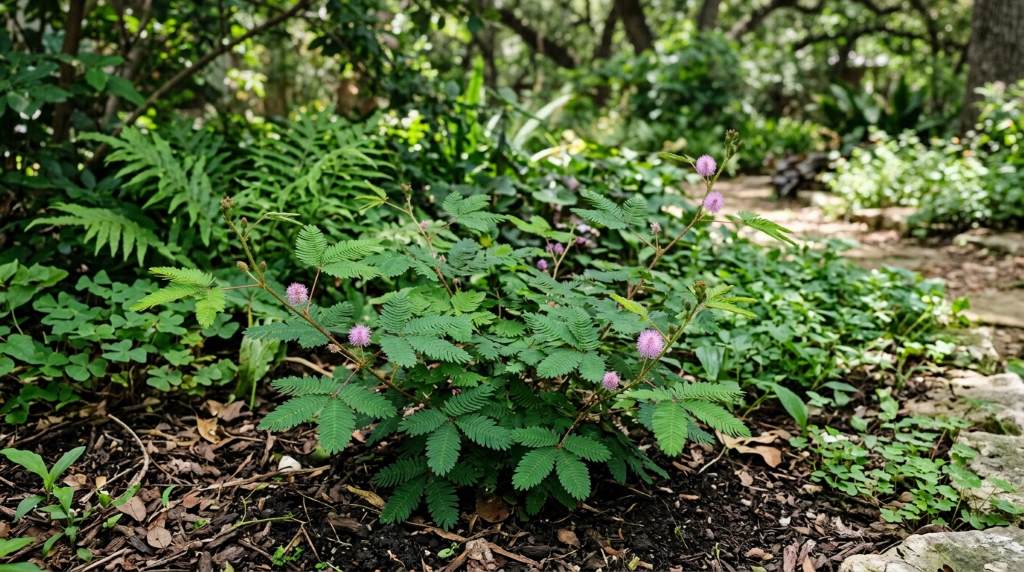
Living in a small apartment doesn’t mean sacrificing the joy and vibrancy that indoor plants bring. In fact, cultivating a miniature green oasis can transform your limited space into a tranquil and refreshing haven. This comprehensive guide will delve into the art of keeping plants in a small apartment, offering practical tips, expert insights, and creative solutions to help you nurture thriving greenery even in the most compact living spaces.
Understanding the Unique Challenges of Small Apartment Gardening
Small apartments present specific challenges for plant enthusiasts. Limited floor space, restricted natural light, and varying temperature and humidity levels can all impact plant health. However, these obstacles are far from insurmountable. By carefully selecting the right plants, optimizing your available space, and adapting your care routine, you can create a flourishing indoor garden that enhances your living environment.
Choosing the Right Plants for Your Space: Prioritizing Size and Light Requirements
The key to successful apartment gardening lies in selecting plants that are well-suited to the confined environment. Opt for compact varieties that won’t overwhelm your space. Consider plants with vertical growth habits or those that can be trained to climb, maximizing your use of available wall space.
- Low-Light Tolerant Plants: Many apartments suffer from limited natural light. Choose plants that thrive in low-light conditions, such as snake plants (Sansevieria), ZZ plants (Zamioculcas zamiifolia), peace lilies (Spathiphyllum), and pothos (Epipremnum aureum). These resilient plants can tolerate indirect or filtered light, making them ideal for apartments with small windows or shaded areas.
- Space-Saving Succulents and Air Plants: Succulents and air plants are excellent choices for small apartments due to their compact size and low maintenance requirements. They require minimal watering and can thrive in bright, indirect light. Their unique shapes and textures add visual interest to any space.
- Herb Gardens for Culinary Delights: Consider growing herbs like basil, mint, chives, and parsley in small pots on a windowsill or kitchen counter. These herbs not only add fresh flavor to your cooking but also provide a fragrant and visually appealing touch to your kitchen.
- Vertical Growers: Plants that grow vertically, such as climbing philodendrons or trailing vines, are perfect for maximizing limited space. These plants can be trained to climb trellises or hang from the ceiling, adding a lush, green backdrop to your apartment.
Optimizing Light and Space: Creative Solutions for Small Apartments
Maximizing the available light and space is crucial for creating a thriving indoor garden.
- Strategic Placement Near Windows: Position your plants near windows that receive ample natural light. Rotate your plants regularly to ensure even light exposure and prevent them from leaning toward the light source.
- Utilizing Vertical Space: Employ vertical gardening techniques to maximize your use of wall space. Install shelves, hanging planters, or wall-mounted planters to create a multi-tiered garden.
- Mirrors to Amplify Light: Place mirrors strategically to reflect and amplify natural light, creating a brighter and more spacious environment for your plants.
- Grow Lights for Supplemental Lighting: In apartments with limited natural light, consider using grow lights to supplement the available light. LED grow lights are energy-efficient and provide the specific wavelengths of light that plants need for photosynthesis.
- Hanging Planters and Shelves: Hanging planters and shelves are excellent space-saving solutions. They allow you to utilize vertical space and create a visually appealing display of your plants.
- Utilizing Windowsills: Windowsills offers a perfect spot for small pots of herbs, succulents, or flowering plants.
Watering and Humidity Management: Ensuring Optimal Plant Health
Proper watering and humidity management are essential for maintaining the health of your indoor plants.
- Watering Techniques: Water your plants thoroughly when the top inch of soil feels dry. Avoid overwatering, as this can lead to root rot. Use pots with drainage holes to allow excess water to escape.
- Humidity Enhancement: Many indoor plants thrive in humid environments. Increase humidity levels by misting your plants regularly, placing them on a pebble tray filled with water, or using a humidifier. Grouping plants together can also create a microclimate with higher humidity.
- Soil and Drainage: Use a well-draining potting mix to prevent waterlogging. Adding perlite or vermiculite to the soil can improve drainage and aeration.
- Seasonal Adjustments: Adjust your watering and humidity management routines according to the season. Plants generally require less water during the winter months when growth slows down.
Fertilization and Pest Control: Keeping Your Plants Healthy and Vibrant
Regular fertilization and pest control are essential for maintaining the health and vitality of your indoor plants.
- Fertilization: Feed your plants with a balanced liquid fertilizer every two to four weeks during the growing season (spring and summer). Avoid over-fertilizing, as this can damage plant roots.
- Pest Control: Regularly inspect your plants for signs of pests, such as aphids, spider mites, or mealybugs. Treat infestations promptly with insecticidal soap or neem oil.
- Repotting: Repot your plants when they outgrow their current containers. Choose a pot that is slightly larger than the previous one and use a fresh potting mix.
Related: 7 Houseplants That Will Thrive in Your Kitchen
Creating a Green Oasis: Styling and Decorating with Plants
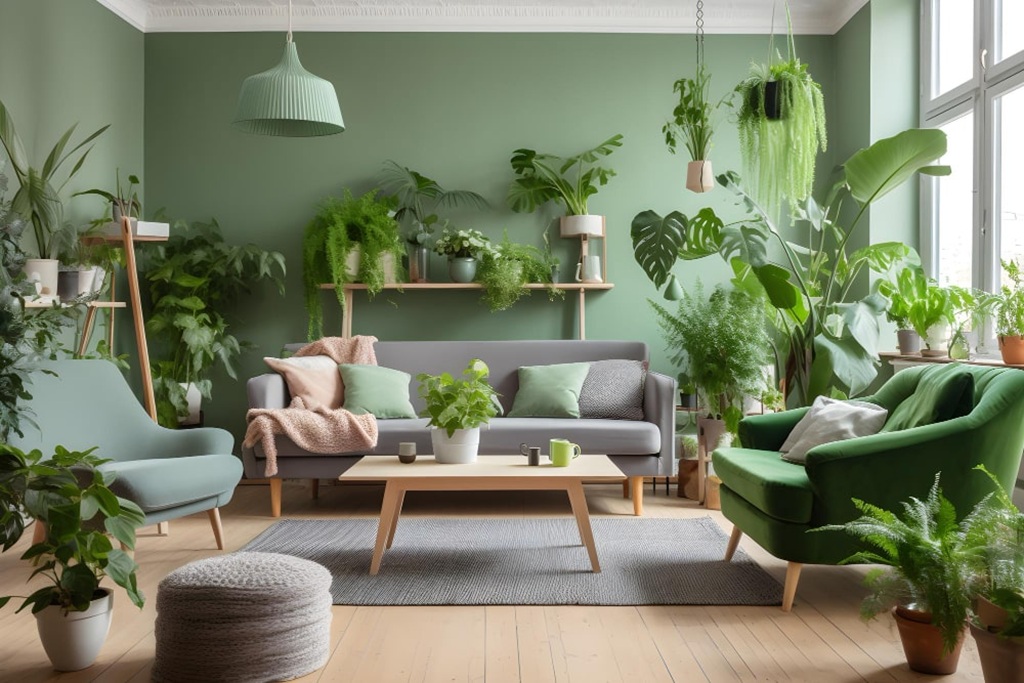
Plants not only improve air quality but also add a touch of nature and tranquility to your living space.
- Creating Focal Points: Use larger plants or groups of plants to create focal points in your apartment.
- Adding Color and Texture: Choose plants with different leaf shapes, colors, and textures to add visual interest to your space.
- Themed Plant Arrangements: Create themed plant arrangements, such as a succulent garden or a tropical oasis, to enhance the aesthetic appeal of your apartment.
- Integrating Plants with Decor: Incorporate plants into your existing decor by placing them on shelves, mantels, or coffee tables.
- Utilizing Plant Stands: Plant stands elevate your plants and add a decorative touch to your space.
People Also Ask (FAQs)
Q: What are the best low-maintenance plants for a small apartment?
A: Snake plants, ZZ plants, pothos, and succulents are excellent low-maintenance options that can thrive in small apartments with limited light.
Q: How can I maximize space for plants in a small apartment?
A: Utilize vertical space with hanging planters, shelves, and wall-mounted planters. Consider using grow lights to supplement natural light and maximize plant placement.
Q: How often should I water my indoor plants?
A: Water your plants when the top inch of soil feels dry. Avoid overwatering, as this can lead to root rot.
Q: How can I increase humidity for my indoor plants?
A: Mist your plants regularly, place them on a pebble tray filled with water, or use a humidifier. Grouping plants together can also increase humidity.
Related: What is Indirect Sunlight? Understanding its Importance in Plant Care
Q: What are the signs of overwatering or underwatering my plants?
A: Overwatering can lead to yellowing leaves, root rot, and mold growth. Underwatering can cause wilting, dry leaves, and stunted growth.
Q: How do I deal with pests on my indoor plants?
A: Regularly inspect your plants for pests and treat infestations promptly with insecticidal soap or neem oil.
Q: Can I grow vegetables or herbs in a small apartment?
A: Yes, you can grow herbs like basil, mint, and chives, as well as some vegetables like lettuce and tomatoes, in small pots on a sunny windowsill or with the aid of grow lights.
Conclusion: Cultivating a Green Sanctuary in Your Urban Abode
Creating a thriving indoor garden in a small apartment is achievable with careful planning and attention to detail. By selecting the right plants, optimizing your space, and providing proper care, you can transform your limited space into a lush and vibrant sanctuary. Embrace the challenges and rewards of apartment gardening, and enjoy the many benefits that indoor plants bring to your life. From improved air quality and reduced stress to enhanced aesthetics and a connection to nature, your indoor garden will become a cherished part of your urban living experience.