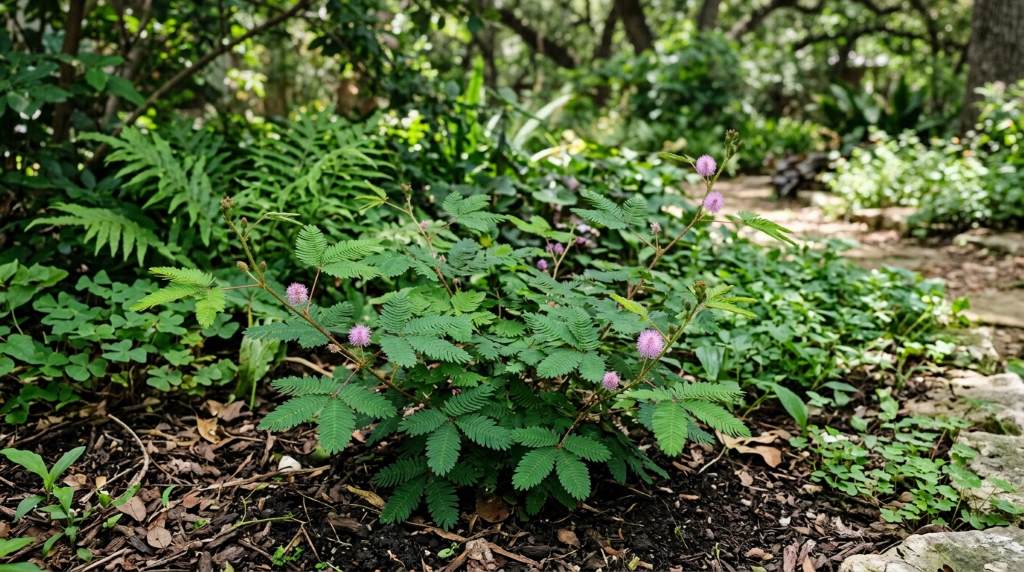
My garden was a battlefield. Aphids swarmed my roses, and caterpillars devoured my kale. Desperate, I discovered interplanting herbs for pest control—a natural, eco-friendly solution. By planting basil near tomatoes and mint by cabbage, I turned chaos into harmony. Interplanting herbs for pest control uses nature’s power to repel pests without chemicals. This method saves crops and boosts garden health. In this post, I’ll share my journey, practical tips, and research-backed strategies to help you create a pest-free garden. Let’s explore how interplanting herbs for pest control can transform your gardening experience with simple, sustainable steps.
What Is Interplanting Herbs for Pest Control?
Interplanting herbs for pest control involves strategically placing herbs among crops to deter pests. Herbs like rosemary, thyme, and basil release scents that confuse or repel insects. For example, marigolds near tomatoes keep nematodes at bay. This method, called companion planting, enhances garden ecosystems. According to a 2019 study by the University of California, interplanting herbs reduced pest damage by 30% in organic farms.
The approach is simple yet effective. Herbs disrupt pest navigation, masking crop scents. Some, like mint, even attract beneficial insects. My tomatoes flourished after planting basil nearby, as aphids vanished. By understanding plant relationships, you can create a natural pest barrier, reducing reliance on sprays. Start small, observe, and adjust for a thriving garden.
Why Interplanting Herbs Works
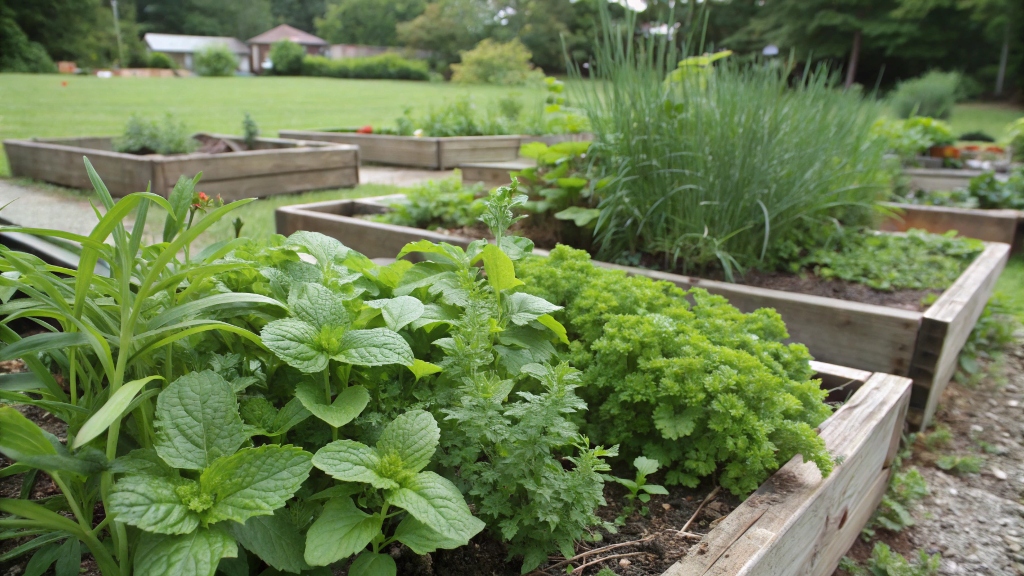
Herbs repel pests through volatile compounds. For instance, lavender’s scent deters moths, while chives ward off carrot flies. These natural defenses confuse pests or attract predators like ladybugs. A 2021 study from Cornell University found that interplanting herbs for pest control cut pesticide use by 25% in test gardens. This approach also promotes biodiversity, strengthening garden resilience.
In my experience, planting dill near cucumbers attracted hoverflies, which ate aphids. The garden buzzed with life, and my crops thrived. Additionally, interplanting saves space and boosts yields. Herbs like oregano act as ground cover, reducing weeds. By mimicking nature’s balance, interplanting creates a self-sustaining system. Experiment with combinations to find what works for your garden’s unique needs.
Best Herbs for Pest Control
Choosing the right herbs is key to success. Here are some top choices for interplanting herbs for pest control:
- Basil: Repels aphids and whiteflies; plant near tomatoes or peppers.
- Mint: Deters cabbage moths and ants; grow near brassicas.
- Rosemary: Keeps carrot flies and beetles away; pair with carrots or beans.
- Thyme: Repels whiteflies; ideal near strawberries.
- Marigolds: Ward off nematodes; plant throughout the garden.
Each herb serves a purpose. For example, my mint patch near cabbages stopped moth infestations. However, mint spreads fast, so use pots. According to a 2020 report by the Royal Horticultural Society, these herbs reduced pest issues by 20-40% in mixed gardens. Combine herbs thoughtfully, ensuring they suit your crops and climate for maximum impact.
How to Start Interplanting Herbs
Ready to try interplanting herbs for pest control? Begin with a plan. Map your garden, noting crops and pests. Choose herbs that target specific issues, like chives for carrot flies. Plant them close but not overcrowded—about 12 inches apart. Water and mulch to keep herbs healthy. In my garden, I paired rosemary with beans, and beetle damage dropped significantly.
Start small to avoid overwhelm. Test one or two combinations, like basil with tomatoes. Monitor results over a season. Adjust spacing or herb choices based on outcomes. The University of California’s study suggests checking plants weekly for pest activity. With patience, you’ll build a balanced garden. Share your layout with other gardeners to exchange tips and refine your approach.
Common Mistakes to Avoid
Interplanting herbs for pest control is effective, but mistakes happen. One error is planting aggressive herbs like mint without containment. It overran my kale bed once, choking nearby plants. Use pots or barriers for invasive herbs. Another mistake is ignoring soil needs. Herbs like rosemary prefer dry soil, while basil loves moisture. Mismatched conditions weaken plants, reducing pest-repelling power.
Additionally, don’t expect instant results. Herbs take weeks to establish. A 2022 study by Oregon State University found consistent interplanting reduced pests by 35% over two seasons. Avoid overcrowding, as it stresses plants and attracts pests. Space herbs properly and prune regularly. By learning from my trial and error, you can sidestep pitfalls and create a flourishing, pest-resistant garden.
Benefits Beyond Pest Control
Interplanting herbs does more than deter pests. It boosts garden health and beauty. Herbs attract pollinators like bees, increasing crop yields. My dill patch drew pollinators, doubling my cucumber harvest. Herbs also enhance soil health by adding organic matter. Plus, they’re edible, adding flavor to your kitchen. Imagine snipping fresh basil while checking your tomatoes!
Moreover, interplanting saves money. Fewer pesticides mean lower costs. The Cornell study noted a 20% cost reduction for farmers using companion planting. Aesthetically, herbs like lavender add vibrant colors and scents. They create a welcoming garden space. By integrating herbs, you build a sustainable, productive ecosystem. Try it, and you’ll see benefits beyond just pest control.
My Personal Success Story
Last summer, my garden faced a pest invasion. Aphids coated my roses, and slugs munched my lettuce. Chemical sprays felt wrong, so I tried interplanting herbs for pest control. I planted marigolds near roses and chives by lettuce. Within weeks, the aphids dwindled, and slugs vanished. My garden hummed with bees, and the scent of herbs filled the air. It was a turning point.
This success taught me nature’s power. I felt connected to my garden, watching it thrive without harmful chemicals. The experience inspired me to experiment further, adding thyme and rosemary. Now, my garden is a pest-free haven. You can achieve this too. Start small, trust the process, and watch your garden transform into a vibrant, natural sanctuary.
Conclusion
Interplanting herbs for pest control is a game-changer. It’s eco-friendly, cost-effective, and simple. By using herbs like basil, mint, and rosemary, you create a thriving garden without chemicals. My journey from pest-riddled chaos to a balanced ecosystem proves it works. Research, like the University of California’s 2019 study, shows up to 30% less pest damage. The key is patience and planning. Start with one herb, observe, and grow from there. Your garden will thank you with healthy crops and vibrant life. Ready to try interplanting herbs for pest control? Share your story in the comments or pass this article to fellow gardeners!
Read More Also: Garden Room Extension Ideas: Transform Your Outdoor Space
FAQs
Why do herbs repel pests?
Herbs release scents that confuse or deter pests, like basil repelling aphids. Some attract beneficial insects.
Which herbs are best for interplanting?
Basil, mint, rosemary, thyme, and marigolds are top choices for repelling pests like aphids and moths.
Can interplanting herbs harm my crops?
No, but avoid aggressive herbs like mint overtaking crops. Use pots to control their spread.
How long does interplanting take to work?
Expect results in 4-8 weeks, as herbs need time to establish and affect pest behavior
Discover More: Budget-Friendly Fixes: How to Amend Sandy Soil Cheaply