Imagine plucking fresh, vibrant greens from your own indoor garden, regardless of the season. No more wilted supermarket lettuce or questionable pesticide residue. With a well-planned indoor salad garden, this dream can become your everyday reality. This comprehensive guide will walk you through every step, from selecting the right greens to mastering the art of indoor cultivation, ensuring you enjoy a continuous harvest of delicious, healthy salads.
Why Embrace Indoor Salad Gardening?
Beyond the undeniable freshness and flavor, indoor salad gardening offers a plethora of benefits. It grants you complete control over your food’s growing environment, minimizing exposure to harmful chemicals and maximizing nutrient content. You’ll reduce your reliance on store-bought produce, saving money and minimizing food waste. Indoor gardening also provides a therapeutic connection with nature, fostering a sense of calm and accomplishment. Moreover, it’s a fantastic way to introduce children to the wonders of growing their own food, cultivating a lifelong appreciation for fresh produce.
Choosing the Right Salad Greens for Indoor Growth
Not all salad greens thrive indoors. Leafy greens, known for their shallow root systems and rapid growth, are ideal candidates.
Consider these top performers:
- Lettuce (Various Varieties): From crisp romaine to buttery butterhead and vibrant red leaf, lettuce offers a diverse range of textures and flavors. Choose loose-leaf varieties for continuous harvesting.
- Spinach: A powerhouse of nutrients, spinach grows quickly and tolerates lower light conditions. Baby spinach leaves are perfect for salads.
- Arugula: With its peppery bite, arugula adds a zesty kick to any salad. It grows well in containers and requires minimal maintenance.
- Kale (Baby Kale): Baby kale offers a milder flavor than mature kale and is packed with vitamins and antioxidants.
- Swiss Chard: Its colorful stems and tender leaves make Swiss chard a visually appealing and nutritious addition to your salad garden.
- Microgreens: These young seedlings, harvested just days after germination, offer intense flavor and concentrated nutrients. Radish, broccoli, and mustard microgreens are popular choices.
- Herbs: Adding herbs like basil, parsley, cilantro, and chives enhances the flavor profile of your salads.
Setting Up Your Indoor Salad Garden: The Essentials
Creating a thriving indoor garden requires careful consideration of several factors:
- Lighting: Salad greens need adequate light to photosynthesize. Natural sunlight from a south-facing window can be sufficient, but supplemental grow lights are essential for consistent growth, especially during winter months or in areas with limited sunlight. LED grow lights are energy-efficient and provide the optimal spectrum for plant growth. Choose full-spectrum lights that mimic natural sunlight.
- Growing Medium: Opt for a well-draining potting mix specifically formulated for vegetables or a soilless medium like coco coir or perlite. These mediums provide adequate aeration and moisture retention.
- Containers: Choose containers that are at least 6 inches deep to accommodate root growth. Consider using shallow trays for microgreens. Ensure your containers have drainage holes to prevent waterlogging.
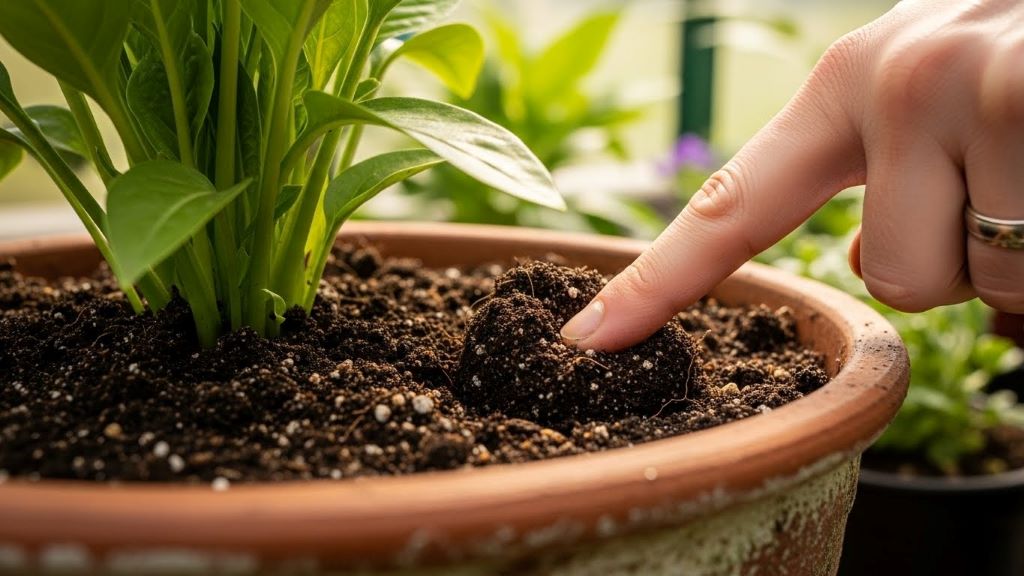
- Watering: Consistent watering is crucial for healthy growth. Check the soil moisture regularly and water when the top inch feels dry. Avoid overwatering, as it can lead to root rot.
- Temperature and Humidity: Salad greens prefer temperatures between 60°F and 75°F (15°C and 24°C). Maintain consistent humidity levels between 40% and 60% using a humidifier or by placing a tray of water near your plants.
- Air Circulation: Good air circulation prevents fungal diseases and promotes healthy growth. A small fan can help circulate air around your plants.
Step-by-Step Guide to Planting Your Indoor Salad Garden
- Prepare Your Containers: Fill your containers with your chosen growing medium, leaving about an inch of space at the top.
- Sow Your Seeds: Follow the seed packet instructions for planting depth and spacing. For leafy greens, sow seeds thinly and evenly. For microgreens, sow seeds densely in shallow trays.
- Water Gently: Water the seeds thoroughly using a spray bottle or gentle watering can.
- Provide Light: Place your containers under grow lights or in a sunny window. Adjust the light height as your plants grow.
- Maintain Consistent Moisture: Keep the soil consistently moist but not waterlogged.
- Thin Seedlings (If Necessary): Once your seedlings have developed a few sets of true leaves, thin them out to provide adequate spacing for growth.
- Fertilize (Optional): While leafy greens don’t require heavy fertilization, a diluted liquid fertilizer can provide essential nutrients.
- Harvest Regularly: Harvest your greens when they are young and tender. Cut the outer leaves of lettuce and other leafy greens to encourage continuous growth. For microgreens, harvest when the first true leaves appear.
Related: A Comprehensive Guide to Thriving Plants in Your Small Apartment
Maximizing Your Indoor Salad Garden Harvest

- Succession Planting: Plant new seeds every few weeks to ensure a continuous harvest.
- Cut-and-Come-Again Harvesting: Harvest the outer leaves of leafy greens, allowing the inner leaves to continue growing.
- Vertical Gardening: Utilize vertical space by using tiered planters or wall-mounted containers.
- Hydroponics: Consider hydroponic systems for faster growth and higher yields.
- Integrated Pest Management: Regularly inspect your plants for pests and address any issues promptly using organic methods.
- Crop Rotation: Change the location of your plants periodically to prevent soilborne diseases.
Troubleshooting Common Indoor Salad Garden Problems
- Leggy Growth: Indicates insufficient light. Increase light intensity or move your plants closer to the light source.
- Yellowing Leaves: Can be caused by overwatering, nutrient deficiencies, or insufficient light. Adjust your watering schedule, provide fertilizer, or increase light intensity.
- Pest Infestations: Common pests include aphids, spider mites, and whiteflies. Use insecticidal soap or neem oil to control pests.
- Fungal Diseases: Prevent fungal diseases by ensuring good air circulation and avoiding overwatering.
People Also Ask (FAQs)
Q: Can I grow salad greens indoors without grow lights?
A: While natural sunlight can support some growth, supplemental grow lights are highly recommended for consistent and optimal results, especially during winter months or in areas with limited sunlight.
Related: What is Indirect Sunlight? Understanding its Importance in Plant Care
Q: How often should I water my indoor salad garden?
A: Check the soil moisture regularly and water when the top inch feels dry. Avoid overwatering, as it can lead to root rot.
Q: What is the best temperature for growing salad greens indoors?
A: Salad greens prefer temperatures between 60°F and 75°F (15°C and 24°C).
Q: Can I use regular potting soil for my indoor salad garden?
A: While you can use regular potting soil, a well-draining potting mix specifically formulated for vegetables or a soilless medium like coco coir or perlite is recommended for optimal aeration and moisture retention.
Q: How long does it take to grow salad greens indoors?
A: The growth time varies depending on the type of greens and growing conditions. Lettuce and spinach can be harvested in as little as 30-45 days, while microgreens can be harvested in 7-14 days.
Q: What are the benefits of growing microgreens?
A: Microgreens are packed with nutrients and offer intense flavor. They are also easy to grow and can be harvested quickly.
Conclusion
Cultivating a year-round indoor salad garden is a rewarding and sustainable way to enjoy fresh, healthy greens. By understanding the essential requirements for indoor growing, selecting the right greens, and implementing proper care practices, you can create a thriving garden that provides a continuous harvest of delicious salads. Embrace the joy of growing your own food and savor the unparalleled freshness of homegrown greens. Remember to adapt your growing methods to your specific environment and preferences. With a little patience and attention, you’ll soon be enjoying the fruits (or rather, the greens) of your labor.