Picture this: your garden waters itself while you sleep, adjusting precisely to weather conditions and soil moisture levels. This isn’t science fiction anymore—it’s the reality of smart gardening tools revolutionizing water conservation across America. With traditional irrigation methods wasting up to 50% of water through inefficient systems, intelligent gardening technology offers a game-changing solution for environmentally conscious homeowners.
The Water Crisis in American Gardens
The average American family uses 320 gallons of water per day, about 30 percent of which is devoted to outdoor uses, according to EPA data. More staggeringly, landscape irrigation is estimated to account for nearly one-third of all residential water use, totaling nearly 9 billion gallons per day. This massive consumption creates both environmental concerns and hefty utility bills for homeowners nationwide.
The problem intensifies in drought-prone regions. In dry climates such as the Southwest, a household’s outdoor water use can be as high as 60 percent. However, the inefficiency extends beyond regional boundaries. As much as 50 percent of the water we use outdoors is lost due to wind, evaporation, and runoff caused by inefficient irrigation methods and systems.
Traditional sprinkler systems operate on basic timers, ignoring weather patterns, soil conditions, and plant needs. This one-size-fits-all approach leads to overwatering during rainy periods and underwatering during dry spells. Consequently, homeowners face increased water bills while contributing to environmental waste.
Revolutionary Smart Irrigation Controllers
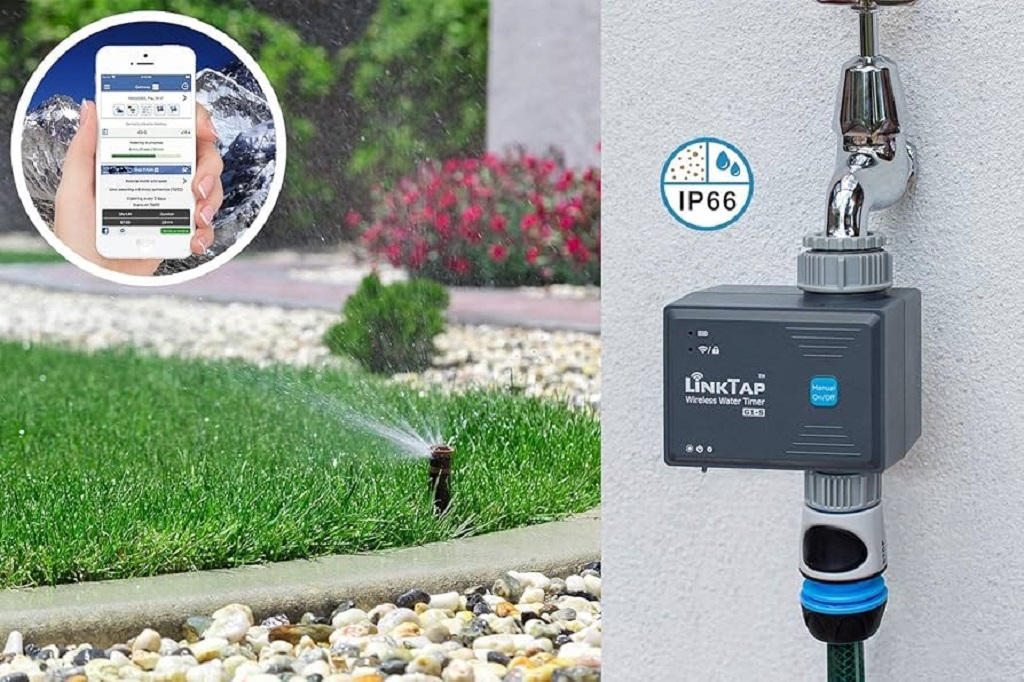
Smart irrigation controllers represent the frontline of water conservation technology. These intelligent systems replace traditional timer-based controllers with weather-responsive algorithms. They connect to local weather stations, accessing real-time data about temperature, humidity, precipitation, and wind speed.
The technology determines optimal watering schedules based on multiple factors. Evapotranspiration rates, plant types, soil conditions, and seasonal variations all influence watering decisions. Many controllers adjust schedules automatically, reducing or skipping watering sessions when rain is forecasted or recent precipitation makes additional watering unnecessary.
Installation typically requires minimal expertise, making this technology accessible to average homeowners. Most smart controllers work with existing sprinkler systems, requiring only the replacement of the control unit. Advanced models offer smartphone connectivity, allowing remote monitoring and adjustment from anywhere.
Market data reveals growing adoption rates. The smart irrigation market is estimated to be worth USD 1.8 billion in 2024 and is projected to reach USD 3.0 billion by 2029, at a CAGR of 11.2%. This rapid growth indicates increasing recognition of water conservation benefits among American homeowners.
Soil Moisture Sensors: Precision at Ground Level
Soil moisture sensors take smart gardening to the next level of precision. These devices measure actual soil conditions rather than relying solely on weather data. They provide real-time feedback about soil hydration levels, ensuring plants receive exactly the right amount of water.
Soil moisture sensors, integrated with smart gardening systems, will gain popularity in 2024. These sensors provide real-time data about your soil’s hydration levels, allowing you to water your plants only when necessary. This technology eliminates guesswork, preventing both overwatering and underwatering situations that stress plants and waste resources.
Advanced sensors monitor multiple soil parameters beyond moisture content. Temperature, pH levels, and nutrient availability can all influence watering decisions. Some systems create detailed soil profiles, mapping moisture variations across different garden zones and adjusting irrigation accordingly.
Wireless connectivity enables seamless integration with smart controllers and mobile applications. Homeowners receive alerts when soil conditions change, allowing proactive garden management. This real-time monitoring helps optimize plant health while minimizing water consumption.
Drip Irrigation and Smart Zone Management

Smart drip irrigation systems deliver water directly to plant root zones with unprecedented efficiency. Unlike traditional sprinklers that spray water broadly, drip systems provide targeted hydration exactly where plants need it most. This precision dramatically reduces water waste from evaporation and runoff.
Zone-based smart systems customize watering schedules for different garden areas. Vegetable gardens, flower beds, and lawn areas each have unique water requirements. Smart controllers create individualized schedules, accounting for plant types, sun exposure, and soil characteristics in each zone.
Water pressure monitoring ensures optimal system performance. Smart controllers detect clogs, leaks, or other issues that reduce efficiency. Automatic adjustments maintain consistent water delivery, while alerts notify homeowners of maintenance needs.
The environmental benefits extend beyond water conservation. Reduced runoff minimizes fertilizer and pesticide migration into groundwater and storm drains. This protection helps preserve local water quality and supports broader environmental health.
App-Connected Garden Monitoring Systems
Smartphone applications transform garden management into a data-driven science. These apps connect to various smart devices, creating comprehensive garden monitoring systems. Real-time dashboards display soil moisture, weather conditions, irrigation schedules, and water usage statistics.
Historical data analysis reveals patterns and trends in garden water needs. Homeowners can track seasonal variations, identify efficient watering strategies, and optimize resource allocation. This information empowers informed decision-making about garden management and water conservation.
Many applications offer personalized recommendations based on local climate data and plant databases. Users input garden details, including plant varieties and layout information. The system then generates customized care schedules, including optimal watering frequencies and durations.
Social features enable knowledge sharing among gardening communities. Users can compare water usage statistics, share conservation tips, and learn from successful strategies implemented by neighbors. This collaborative approach accelerates adoption of water-efficient practices.
Environmental and Economic Impact
The environmental benefits of smart gardening tools are substantial and measurable. Smart irrigation systems can cut water use by 40% to over 70%, depending on the setup and conditions. This reduction translates directly into decreased demand on municipal water supplies and reduced strain on natural water resources.
Energy savings accompany water conservation benefits. By reducing the need for pumping and distribution, smart systems decrease energy consumption associated with water treatment and delivery. This dual conservation approach supports broader sustainability goals while reducing operational costs for utilities.
Economic advantages for homeowners are equally compelling. If the system is well managed, a household’s irrigation water use can be reduced by 15 percent, or nearly 7,600 gallons of water, annually. These savings translate directly into lower utility bills, often offsetting initial equipment investments within two to three years.
Property value enhancement represents an additional economic benefit. Water-efficient landscaping increasingly attracts environmentally conscious buyers. Smart irrigation systems demonstrate forward-thinking property management and long-term cost consciousness, appealing to modern homeowners prioritizing sustainability.
Overcoming Implementation Challenges
Initial cost barriers often deter homeowners from adopting smart gardening technologies. Premium smart controllers and sensor systems require significant upfront investments. However, utility rebates and tax incentives increasingly offset these costs, making adoption more financially accessible.
Technical complexity concerns affect some potential users. Many homeowners worry about installation difficulties or ongoing maintenance requirements. Manufacturers address these concerns through improved user interfaces, professional installation services, and comprehensive customer support programs.
Compatibility issues with existing irrigation systems sometimes complicate upgrades. Older sprinkler systems may require modifications or component replacements to work effectively with smart controllers. Professional consultation helps homeowners assess compatibility and plan appropriate upgrades.
Internet connectivity requirements limit adoption in some rural areas. Smart systems depend on reliable wifi connections for optimal performance. However, cellular-enabled controllers and offline operation modes increasingly address connectivity limitations.
Future Innovations and Trends
Artificial intelligence integration promises even greater efficiency gains in smart gardening systems. Machine learning algorithms analyze historical data, weather patterns, and plant responses to optimize watering decisions continuously. These systems become more efficient over time, adapting to specific garden conditions and homeowner preferences.
Satellite imagery and drone technology offer new possibilities for large-scale garden monitoring. These tools can assess plant health, identify stress conditions, and recommend targeted interventions. Integration with smart irrigation systems creates comprehensive garden management solutions.
Integration with home automation systems expands smart gardening capabilities. Voice control, automated scheduling coordination, and energy management integration create seamless home management experiences. These connections optimize resource usage across all household systems.
Climate change adaptation features help gardens remain resilient under changing environmental conditions. Predictive analytics identify potential stress periods, while adaptive scheduling adjusts to evolving weather patterns. This proactive approach protects plant investments while maintaining water conservation goals.
Featured Snippet: What Are Smart Gardening Tools for Water Conservation?
Smart gardening tools for water conservation include intelligent irrigation controllers, soil moisture sensors, app-connected monitoring systems, and precision drip irrigation. These technologies use weather data, soil conditions, and plant needs to optimize watering schedules automatically. Benefits include 40-70% water reduction, lower utility bills, and healthier plants. Smart controllers connect to weather stations and adjust irrigation based on real-time conditions. Soil sensors provide precise moisture readings, preventing overwatering and underwatering. Mobile apps enable remote monitoring and control. The market is growing rapidly, with smart irrigation projected to reach $3 billion by 2029. Installation typically works with existing sprinkler systems, making upgrades accessible for most homeowners seeking water-efficient garden management.
Frequently Asked Questions
How much can smart gardening tools reduce my water bill?
Smart irrigation systems typically reduce outdoor water usage by 15-40%, saving the average household approximately 7,600 gallons annually. This translates to $200-600 in annual savings, depending on local water rates and system efficiency.
Do smart gardening systems work during power outages?
Most smart controllers include battery backup systems that maintain programming during brief outages. Extended outages may require manual operation, but systems typically resume normal operation automatically when power returns.
Are smart gardening tools difficult to install?
Basic smart controllers replace existing timer units with minimal technical expertise required. Soil sensors typically install by pushing into the ground near plants. Professional installation is recommended for complex systems or extensive modifications.
Can smart systems handle different plant types in the same garden?
Advanced smart controllers support multiple irrigation zones with customized schedules for different plant types. Vegetable gardens, flower beds, and lawns can each receive optimal watering based on specific requirements.
What happens if my internet connection fails?
Most smart systems continue operating using stored programs when internet connectivity is lost. Weather-based adjustments may not occur, but basic irrigation schedules remain functional until connectivity returns.
How long do smart gardening systems typically last?
Quality smart controllers last 10-15 years with proper maintenance. Soil sensors typically require replacement every 3-5 years. Regular system updates and professional maintenance extend equipment lifespan and optimize performance.
Are there rebates available for smart irrigation systems?
Many water utilities offer rebates ranging from $50-300 for smart controller installations. Check with local utility companies and state environmental agencies for available incentive programs and eligibility requirements.
Related Topic: How to grow potatoes
Final Thought
Smart gardening tools revolutionizing water conservation represent more than technological innovation—they embody a fundamental shift toward sustainable living. As water scarcity challenges intensify across America, these intelligent systems offer practical solutions that benefit both homeowners and the environment. The convergence of environmental necessity and technological capability creates unprecedented opportunities for water conservation in residential landscaping.
The evidence overwhelmingly supports smart gardening adoption. With water savings of 40-70%, reduced utility costs, and improved plant health, these systems deliver tangible benefits that justify initial investments. Moreover, the rapid market growth indicates increasing mainstream acceptance and continued technological advancement.