Shade gardens offer peaceful retreats filled with lush greenery. However, achieving that rich, deep foliage color requires proper fertilization. Many gardeners struggle with pale or yellowing leaves in shaded areas. This guide will show you how to feed your shade-loving perennials effectively for vibrant, healthy foliage.
Understanding the Nutritional Needs of Shade Perennials
Shade garden plants have different requirements than sun-loving varieties. These plants naturally produce more chlorophyll to capture limited light. Therefore, they need specific nutrients to maintain their deep green coloration.
Nitrogen plays the most critical role in foliage development. This essential nutrient helps plants produce chlorophyll and proteins. Additionally, iron and magnesium contribute to the rich green color you desire. Phosphorus and potassium support overall plant health and root development.
Shade perennials typically grow more slowly than those in full sun. Consequently, they require less frequent fertilization. Over-feeding can actually harm these plants and lead to weak growth.
Choosing the Right Fertilizer Type
Selecting the appropriate fertilizer makes all the difference in achieving deep foliage color. Several options work well for shade gardens.
Slow-release granular fertilizers provide steady nutrition over several months. These products release nutrients gradually as plants need them. This method reduces the risk of burning tender roots in the shade garden environment.
Liquid fertilizers offer quick results and easy application. You can apply them through watering or foliar feeding. However, they require more frequent applications than granular types.
Organic options like compost, fish emulsion, and seaweed extracts work exceptionally well. These natural fertilizers improve soil structure while feeding plants. Moreover, they support beneficial microorganisms in the soil.
Look for fertilizers with higher nitrogen content for foliage-focused feeding. A ratio like 3-1-2 or 4-1-2 works well for shade perennials. The first number represents nitrogen, which promotes leaf growth and color.
Optimal Timing for Fertilizer Applications
Timing your fertilizer applications correctly ensures maximum effectiveness. Shade perennials benefit most from strategic feeding schedules.
Start fertilizing in early spring as new growth emerges. This initial feeding supports strong development for the growing season. Apply a second round in late spring or early summer to maintain vigor.
Avoid fertilizing in late summer or fall. Late-season feeding encourages tender new growth that won’t harden off before winter. This can lead to frost damage and weakened plants.
For best results, fertilize on cloudy days or in the evening. This prevents leaf burn and allows nutrients to absorb properly. Additionally, water plants thoroughly before and after fertilizing.
Application Methods for Maximum Color Enhancement
The way you apply fertilizer impacts how well plants absorb nutrients. Several techniques work effectively in shade gardens.
Broadcasting granular fertilizer around plant bases provides even coverage. Spread the product in a circle extending to the plant’s drip line. Then, gently scratch it into the soil surface without disturbing roots.
Foliar feeding delivers nutrients directly through leaves. Mix liquid fertilizer at half strength and spray foliage in the morning. This method works particularly well for quick color correction.
Side-dressing involves placing fertilizer in shallow trenches beside plants. This concentrated approach works well for established perennials with extensive root systems. Cover the fertilizer lightly with soil after application.
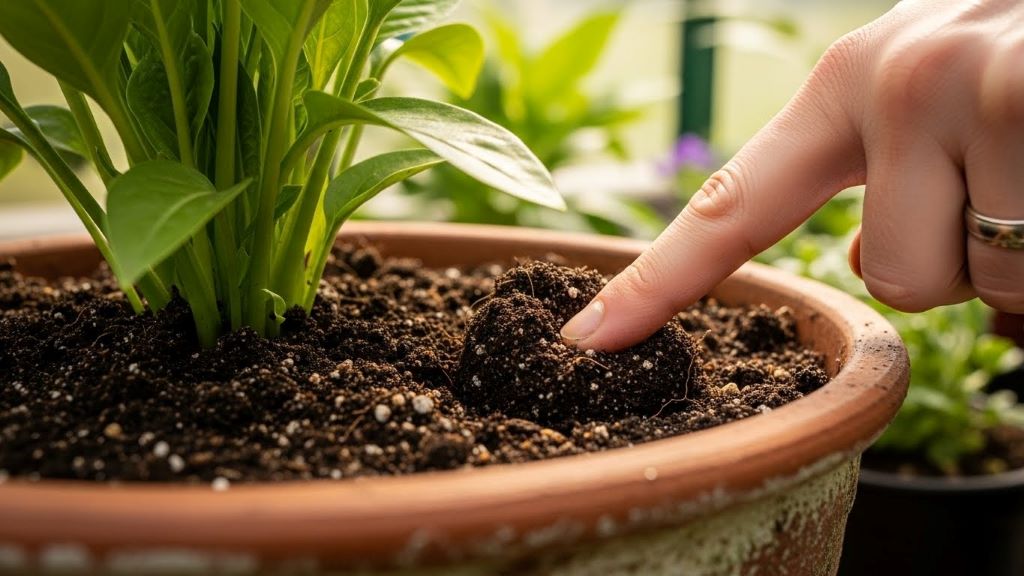
Top-dressing with compost adds nutrients while improving soil texture. Apply a two-inch layer around plants each spring. This organic matter breaks down slowly and feeds plants throughout the season.
Addressing Iron Deficiency for Deeper Green Color
Iron deficiency commonly causes pale or yellow leaves in shade gardens. This condition, called chlorosis, prevents plants from producing adequate chlorophyll.
Acidic soil helps plants absorb iron more effectively. Test your soil pH and aim for levels between 5.5 and 6.5 for most shade perennials. According to Purdue University Extension, adjusting soil pH improves nutrient availability significantly.
Apply chelated iron products for quick results. These specially formulated fertilizers remain available to plants even in alkaline conditions. Follow package directions carefully to avoid over-application.
Organic matter naturally lowers soil pH over time. Adding compost, peat moss, or pine needles creates better conditions for iron uptake. This long-term approach supports consistent deep green coloration.

Soil Preparation for Better Nutrient Uptake
Healthy soil is the foundation for vibrant foliage color. Proper preparation ensures fertilizers work effectively.
Incorporate organic matter before planting shade perennials. Compost, aged manure, and leaf mold improve soil structure and water retention. These amendments also support beneficial microbes that help plants access nutrients.
Ensure adequate drainage in shaded areas. Poor drainage creates anaerobic conditions that limit nutrient uptake. Raised beds or amended soil improve drainage in problem spots.
Mulch around plants with organic materials like shredded bark or leaves. Mulch moderates soil temperature, conserves moisture, and adds nutrients as it decomposes. However, keep mulch a few inches away from plant stems.
Common Mistakes to Avoid
Even experienced gardeners make errors when fertilizing shade plants. Avoiding these mistakes protects your investment and promotes healthy growth.
Over-fertilizing ranks as the most common problem. Excess nutrients cause rapid, weak growth and can burn roots. Always follow package directions and err on the side of less rather than more.
Fertilizing stressed or newly planted perennials can damage them. Wait until plants establish themselves before beginning a feeding program. Additionally, avoid fertilizing during drought conditions.
Using the wrong fertilizer type leads to disappointing results. High-phosphorus fertilizers designed for flowering plants won’t enhance foliage color. Instead, choose nitrogen-rich formulas specifically for leafy growth.
Ignoring soil pH prevents plants from accessing available nutrients. Test soil every few years and adjust as needed for optimal results.
Monitoring and Adjusting Your Fertilization Program
Observing your plants helps you fine-tune your fertilization approach. Regular monitoring ensures you provide exactly what shade perennials need.
Watch for signs of nitrogen deficiency, including pale or yellowing lower leaves. This indicates plants need additional feeding. However, dark green leaves with excessive growth suggest over-fertilization.
Conduct soil tests every two to three years. Professional testing reveals nutrient levels and pH, allowing you to adjust your program accordingly. Many university extension services offer affordable testing.
Keep records of what you apply and when. Documentation helps you identify successful strategies and avoid repeating mistakes. Note weather conditions and plant responses as well.
Be prepared to modify your approach based on plant performance. What works for one garden may not work for another due to soil differences and plant varieties.
Best Practices by Plant Type
Different shade perennials have varying nutritional requirements. Tailoring your approach to specific plants yields better results.
Hostas benefit from regular nitrogen feeding to maintain their spectacular foliage. Apply balanced fertilizer in spring and again in early summer. These heavy feeders reward proper nutrition with large, colorful leaves.
Ferns prefer gentle, organic feeding methods. Top-dress with compost or apply diluted fish emulsion monthly during the growing season. Avoid synthetic fertilizers that can damage delicate fronds.
Coral bells and heucheras need moderate feeding to enhance their colorful foliage. Over-fertilizing causes leggy growth and diminishes leaf coloration. A single spring application of slow-release fertilizer usually suffices.
Astilbes require consistent moisture and regular feeding for best foliage. Apply balanced fertilizer in spring and maintain even soil moisture throughout the growing season.
Conclusion
Achieving deep, rich foliage color in shade garden perennials requires thoughtful fertilization. Start by understanding that shade plants need less feeding than sun-lovers but benefit from nitrogen-rich formulas. Choose slow-release granular or organic fertilizers for steady nutrition. Apply fertilizer in early spring and again in late spring for optimal results. Address iron deficiency through soil pH management and chelated iron products. Avoid common mistakes like over-fertilizing or feeding stressed plants. Monitor your plants regularly and adjust your program based on their response. With proper care, your shade garden will display the lush, vibrant foliage you envision.
Frequently Asked Questions
How often should I fertilize shade perennials?
Most shade perennials need fertilizing only twice per year, in early spring and late spring. Over-fertilizing can cause more harm than good, leading to weak growth and reduced color intensity.
Can I use lawn fertilizer on my shade garden?
Lawn fertilizers typically contain too much nitrogen and release nutrients too quickly for perennials. Instead, choose products specifically formulated for garden beds with slow-release properties.
Why are my shade plant leaves turning yellow despite fertilizing?
Yellow leaves can indicate iron deficiency, poor drainage, or incorrect soil pH rather than lack of fertilizer. Test your soil pH and ensure adequate drainage before adding more fertilizer.
Is organic or synthetic fertilizer better for shade plants?
Both work well, but organic fertilizers improve soil structure and support beneficial organisms. They release nutrients more slowly and reduce the risk of burning plants in shaded conditions.
When should I stop fertilizing shade perennials?
Stop fertilizing by mid-summer to allow plants to harden off before winter. Late-season feeding encourages tender growth that won’t survive cold temperatures.
Related Topics:
How to Grow Pampas Grass from Seed: A Complete Guide for Stunning Landscapes
Unearthing Potential: Why Testing Biochar as a Soil Amendment is Key to Success