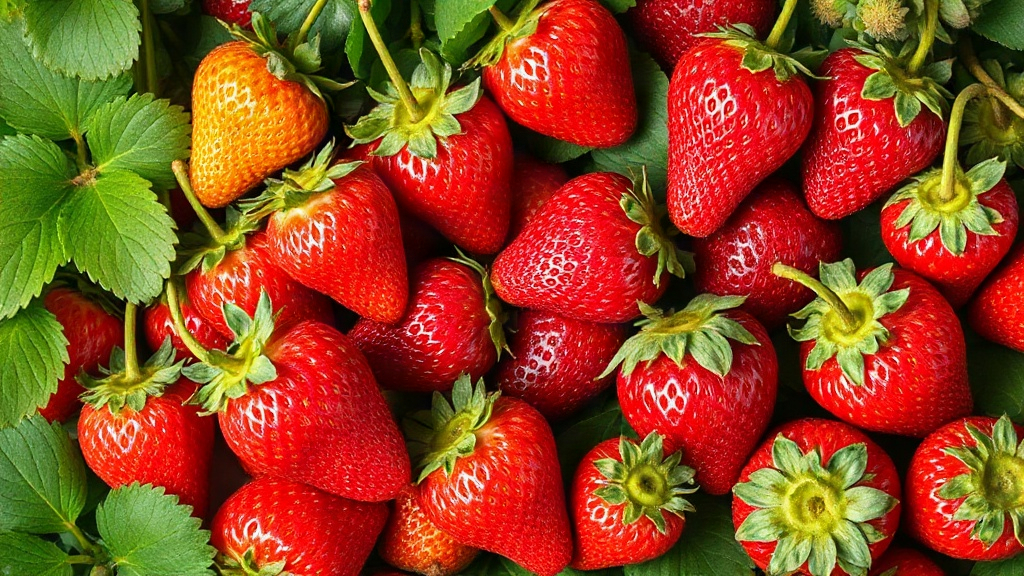
Choosing between everbearing vs june-bearing strawberries comes down to one question: how much fruit do you want, and when? June-bearing plants give you one big harvest over a few weeks in early summer. Everbearing types spread a smaller crop across spring, summer, and fall. Your climate, patience, and how you plan to use the berries will point you toward the right one, and the fruit and vegetable gardening tips you follow after planting matter as much as the variety itself. This guide compares both types honestly, from yield and flavor to maintenance and cost.
Quick answer: Grow June-bearing strawberries if you want the largest single harvest for jam, freezing, or pies, and you can wait a full season for it. Choose everbearing types if you want berries to pick fresh over a longer window and you don’t mind smaller total yields. Both need full sun, well-drained soil, and regular water.
Our picks at a glance
Strawberry types split into three practical groups: June-bearing, everbearing, and day-neutral. Day-neutral plants behave much like everbearing ones, fruiting through the season, so gardeners often treat them together. The table below compares the two main types across the factors that shape your decision.
Comparison: June-Bearing vs Everbearing Strawberries
| Factor | June-Bearing | Everbearing |
|---|---|---|
| Harvest window | One crop, 2–3 weeks | Two or three smaller crops |
| Total yield | Highest per plant | Lower overall |
| First harvest | Second season | Same season, often |
| Berry size | Larger, more uniform | Smaller and less uniform |
| Runner production | Heavy | Light to moderate |
| Best for | Preserving, bulk harvest | Fresh snacking, small spaces |
The biggest surprise for new growers is the timing. June-bearing plants spend their first year building roots and leaves, so you usually pick your first real crop in the second season. Everbearing plants often fruit the same year you plant them, which feels more rewarding in a small garden.
We’ve grouped our picks at a glance to save you reading the entire list.
Why the first year matters
June-bearing varieties put energy into established crowns before fruiting heavily. That patience pays off with a concentrated harvest that’s easier to process in one go. Everbearing types trade that burst for steady picking, which suits households that eat berries fresh rather than store them.
A row of June-bearing plants for preserving and a few everbearing plants for fresh eating covers both needs without much extra work.
The list
1. June-Bearing Strawberries Win on Total Yield
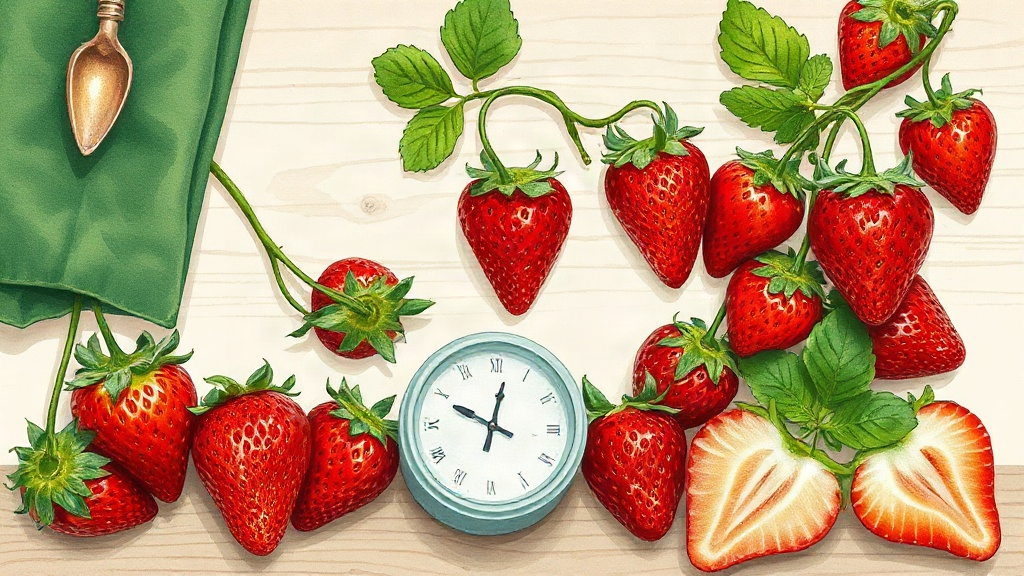
No other type matches June-bearing output. A healthy bed produces its heaviest crop in a short window, often two to three weeks in late spring or early summer depending on your region. That concentrated burst suits anyone who wants enough berries for jam, freezing, or a big batch of pies in one weekend. The trade-off is a long wait and a garden that gives nothing afterward until next year.
2. Everbearing Strawberries Stretch the Harvest Across Seasons
Pick fresh berries from late spring into fall and you have an everbearing plant. It typically fruits in spring, rests during the hottest weeks, then crops again in late summer or early fall. The total volume is smaller, but you get berries when June-bearing plants sit idle. That matters if your goal is a handful of fruit for breakfast rather than a freezer full.
3. June-Bearing Berries Tend to Be Larger and Sweeter
Berry size and flavor favor June-bearing varieties in most comparisons. Plants direct their energy into one crop, so individual berries run larger and more uniform, and many gardeners find them sweeter. Everbearing berries are often smaller because the plant spreads its resources across several fruiting cycles. Flavor still depends on sun, water, and picking at full ripeness, but size is a reliable difference.
4. Everbearing Types Fruit Sooner After Planting
New growers often want results in the first year. Everbearing plants commonly flower and fruit within their first season, which makes them popular for containers and raised beds. June-bearing plants usually need a full growing season to establish before their first real crop. If you’re gardening on a patio or in a rental with a short horizon, that early return counts for a lot.
5. June-Bearing Plants Produce More Runners for Free Plants
June-bearing strawberries send out plenty of runners, the horizontal stems that root into new plants. That gives you free stock to expand your bed or share with neighbors. Everbearing types produce fewer runners, so building a larger patch takes longer. Knowing when to divide strawberry plants helps you manage either type, but the runner habit of June-bearing varieties makes propagation noticeably easier.
6. Everbearing Varieties Fit Containers and Small Spaces
A pot, a hanging basket, or a narrow raised bed suits everbearing strawberries well. Their modest runner production keeps them tidier, and the long harvest rewards frequent checking. June-bearing plants can grow in containers too, but the concentrated crop and heavy runner growth demand more room. For balconies and small patios, the compact habit tips the balance toward everbearing types.
How to choose the right option
Match the plant to how you actually use strawberries, not to what sounds best in a catalog. Start with your end goal: preserving and baking call for volume in one window, while daily snacking favors a steady supply. Then weigh the practical limits of your space and schedule.
We’ve grown dozens of varieties to arrive at these picks.
Questions that point to the answer
- Do you want berries for jam, freezing, or pies? June-bearing wins on bulk yield.
- Do you want fresh berries most weeks of the season? Everbearing fits better.
- Is this your first year in a new bed? Everbearing often fruits sooner.
- Do you have limited space? Everbearing suits containers and small plots.
- Do you want to expand your patch cheaply? June-bearing runners do that job.
Plan around your climate
Both types grow well in most temperate regions, but heat shapes the outcome. In hot summers, everbearing plants may slow or stop fruiting during the hottest weeks, then resume when temperatures ease. June-bearing plants finish their crop before peak heat in many areas, which can mean cleaner fruit. In cooler climates with a long, mild season, everbearing plants may keep producing well into fall.
Account for cost and effort
Strawberry plants are modestly priced, so the upfront cost of either type is similar. The real expense is time. June-bearing beds demand a big push during harvest and steady runner control. Everbearing beds ask for frequent small pickings and a bit more attention to watering, since the plants fruit over a longer stretch. Choose the rhythm that fits your week.
June-bearing beds are usually renovated right after harvest, with leaves trimmed and runners thinned. Everbearing plants are better left alone until they finish their fall crop, so don’t treat both the same way.
Consider a mixed planting
Nothing stops you from growing both. A simple ratio works for many gardens: about three-quarters June-bearing for preserving and one-quarter everbearing for fresh eating. You get a big summer harvest plus berries later. Keep the types in separate rows or beds, because their renovation timing and runner habits differ.
Watch for common mistakes
The most frequent error is expecting a huge first-year crop from June-bearing plants. Another is planting in poorly drained soil, which damages roots of either type. Overwatering containers and letting fruit sit on wet ground invite rot. Full sun, good drainage, and straw or mulch under the berries prevent most problems.
FAQ
Can I grow everbearing and June-bearing strawberries together?
Yes. Keep them in separate rows or beds so you can renovate each at the right time. June-bearing plants get cleaned up right after their summer harvest, while everbearing plants keep fruiting into fall and should be left alone longer.
Do everbearing strawberries really produce all season?
Not continuously. Most everbearing varieties give a spring crop, a pause during hot weather, and a second crop in late summer or fall. Day-neutral types come closer to steady production, especially in mild climates.
Which type tastes better?
Flavor depends more on ripeness, sun, and water than on type. June-bearing berries are often larger and sweeter because the plant concentrates energy into one crop. Well-grown everbearing berries taste excellent too, especially picked fully ripe.
How long before I get a harvest?
Everbearing plants often fruit in their first season. June-bearing plants typically crop heavily in their second year after planting. Plan for a lighter first summer with June-bearing varieties.
Are everbearing strawberries worth it for a small garden?
For containers, patios, and tight beds, yes. The plants stay compact, produce fewer runners, and reward regular picking with fruit over a long window. Accept a smaller total harvest in exchange.
Conclusion
The everbearing vs june-bearing strawberries decision comes down to volume versus timing. June-bearing plants deliver one large, high-quality crop and plenty of runners for expanding your bed. Everbearing plants offer earlier fruiting and a longer picking season in a tidier package. Think about how you’ll use the berries and how much space you have, then pick one type or plant both. Choose your variety this week and prepare a sunny, well-drained bed so the plants start strong.