
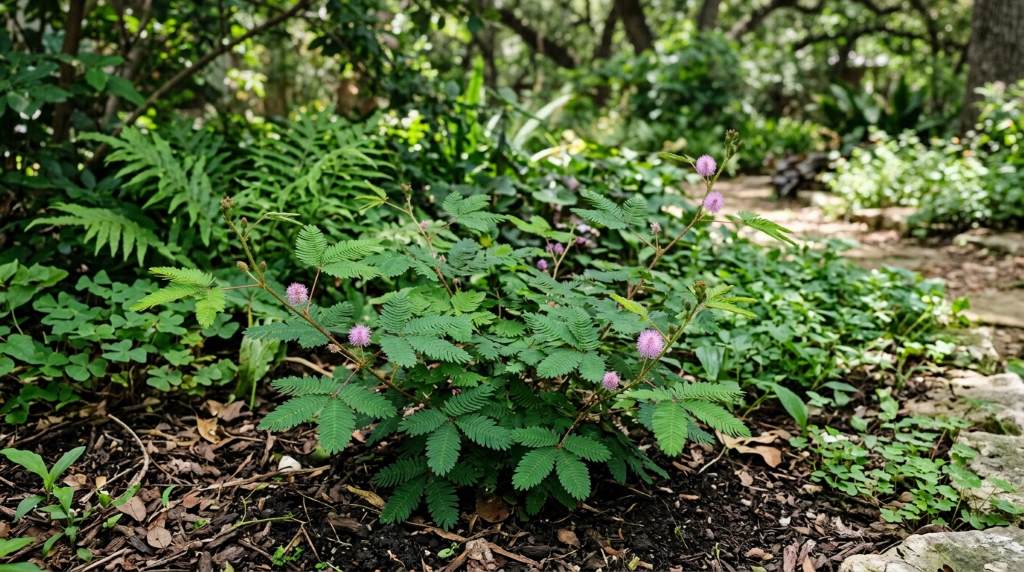
Gardening in Austin, Texas brings both exciting opportunities and unique challenges, especially when growing delicate species like the sensitive plant. Local gardeners often deal with intense heat, unpredictable rainfall, and clay-heavy soils that can stress fragile plants. In fact, Austin experiences over 230 sunny days annually, which increases evaporation and plant dehydration risks. Despite this, many gardeners succeed by following proven strategies and adapting to local conditions. A strong starting point is understanding a proper mimosa pudica plant care guide. With the right approach, even highly responsive plants can thrive beautifully in this climate.
Understanding Sensitive Plants in Austin’s Climate
Sensitive plants, also known as Mimosa pudica, react quickly to touch and environmental changes, making them fascinating yet demanding to grow. These plants naturally thrive in tropical and subtropical climates, so Austin’s weather can both support and challenge their growth. Summers bring high temperatures that can exceed 95°F, which stresses the plant if not managed carefully. However, mild winters offer a longer growing season compared to colder regions. Therefore, gardeners must balance heat exposure with adequate moisture and shade. Understanding these conditions forms the foundation for successful growth.
Why Climate Matters for Mimosa Pudica
Austin’s climate directly influences how sensitive plants grow, respond, and survive throughout the year. High sunlight levels promote photosynthesis, but excessive exposure can burn delicate leaves. Additionally, sudden temperature shifts can cause the plant to close its leaves more frequently, which may slow growth. Humidity levels in Austin often fluctuate, making consistent watering practices essential. As a result, gardeners need to monitor weather patterns closely and adjust care routines accordingly. This proactive approach helps maintain plant health and stability.
Choosing the Right Location in Your Garden
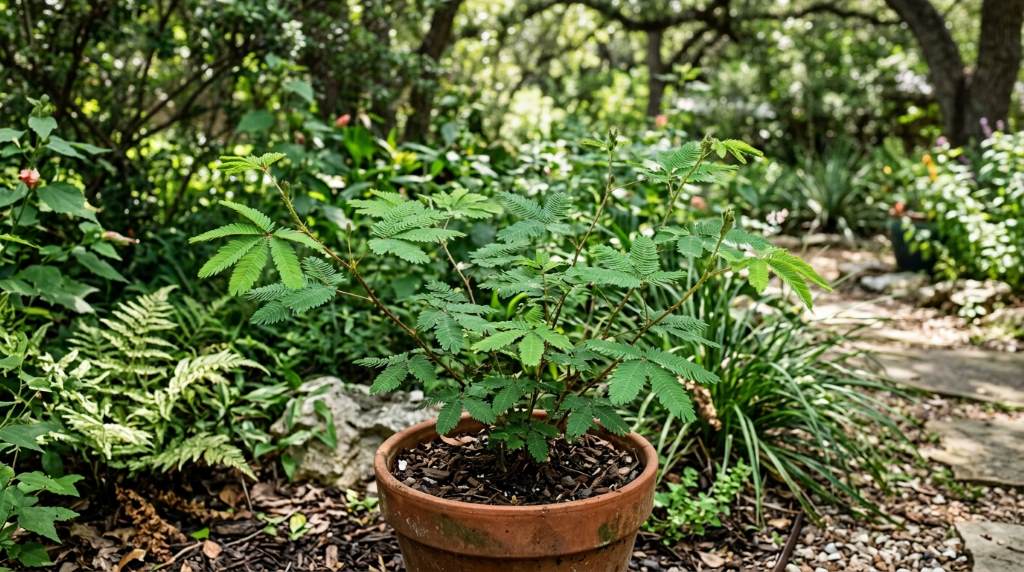
Selecting the right spot in your garden plays a major role in the success of sensitive plants. These plants prefer partial sunlight, which means they should receive morning sun and afternoon shade. Placing them in areas with filtered light protects them from harsh midday heat. Additionally, good air circulation prevents fungal issues that can damage leaves. Raised beds or container gardening often work well in Austin due to soil control benefits. Therefore, location planning becomes a strategic step rather than a simple choice.
Ideal Light Conditions
Sensitive plants require balanced lighting to grow properly without stress or damage. Too much direct sunlight can scorch leaves, while too little light slows growth significantly. Gardeners often place these plants under shade cloth or near taller plants for natural protection. Moreover, rotating potted plants helps ensure even light exposure. Consistent lighting conditions also reduce unnecessary leaf movement, which conserves plant energy. This balance ultimately supports steady and healthy development.
Soil Preparation for Healthy Growth
Soil quality significantly affects how well sensitive plants grow in Austin gardens. The region’s natural clay soil often retains too much water, which can lead to root rot. Therefore, gardeners improve soil by mixing organic compost and sand for better drainage. Loose, well-aerated soil allows roots to expand and absorb nutrients effectively. Additionally, maintaining a slightly acidic to neutral pH supports optimal plant health. Preparing soil properly ensures long-term success rather than short-term growth.
Key Soil Improvement Tips
Improving soil conditions does not require complex techniques but does demand consistency and attention. Consider these essential steps:
- Add compost to increase organic matter and nutrients
- Mix sand or perlite to enhance drainage
- Test soil pH regularly to maintain balance
- Avoid compacted soil by loosening it periodically
These simple actions create an environment where sensitive plants can thrive naturally. Over time, improved soil structure leads to stronger root systems and better resilience.
Watering Strategies for Austin Heat
Watering plays a critical role in maintaining sensitive plants, especially during Austin’s hot summers. These plants require consistent moisture but cannot tolerate waterlogged conditions. Gardeners often water early in the morning to reduce evaporation and stress. Additionally, using mulch helps retain soil moisture and regulate temperature. Overwatering can damage roots, so monitoring soil dryness is essential. Balanced watering ensures the plant remains hydrated without risking disease.
How to Water Effectively
Effective watering involves both timing and technique rather than simply adding more water. Follow these practices for better results:
- Water when the top inch of soil feels dry
- Use drip irrigation for controlled moisture delivery
- Avoid watering leaves directly to prevent fungal growth
- Adjust frequency based on seasonal changes
These strategies help maintain consistent hydration levels while preventing common issues. As a result, plants remain stable even during extreme heat.
Managing Temperature and Seasonal Changes
Austin’s seasonal changes require gardeners to adapt their care routines throughout the year. While summers are intense, winters can still bring occasional cold snaps. Sensitive plants do not tolerate frost, so protection becomes necessary during colder months. Gardeners often move potted plants indoors or cover outdoor plants overnight. Additionally, gradual acclimation helps plants adjust to seasonal transitions. This careful management prevents shock and ensures continuous growth.
Protecting Plants from Extreme Weather
Extreme weather conditions can damage sensitive plants quickly if left unmanaged. To protect them effectively:
- Use shade cloth during peak summer heat
- Bring containers indoors during cold nights
- Apply mulch to regulate soil temperature
- Monitor weather forecasts regularly
These preventive measures reduce environmental stress and improve plant survival rates. Consistent attention helps avoid sudden damage from unpredictable conditions.
Fertilizing for Optimal Growth
Fertilization supports healthy growth by providing essential nutrients that soil alone may lack. Sensitive plants benefit from balanced, diluted fertilizers applied during the growing season. Over-fertilizing can harm the plant, so moderation is key. Gardeners often choose organic fertilizers to maintain soil health naturally. Additionally, feeding plants every few weeks encourages steady development without overwhelming them. Proper fertilization leads to vibrant leaves and stronger stems.
Best Fertilizer Practices
Applying fertilizer correctly ensures maximum benefit without causing harm. Consider these guidelines:
- Use diluted liquid fertilizer every 2–3 weeks
- Choose organic options for sustainable growth
- Avoid fertilizing during dormant periods
- Monitor plant response and adjust accordingly
These practices help maintain nutrient balance while supporting long-term plant health. Consistent feeding results in noticeable improvement in growth and appearance.
Pest and Disease Management
Sensitive plants can attract pests like aphids, spider mites, and whiteflies, especially in warm climates. Early detection helps prevent infestations from spreading and damaging the plant. Gardeners often use natural remedies such as neem oil or insecticidal soap. Additionally, maintaining proper airflow reduces the risk of fungal diseases. Regular inspection allows quick action before problems escalate. Effective pest management keeps plants healthy and stress-free.
Common Issues and Solutions
Understanding common problems helps gardeners respond quickly and effectively. Here are typical issues and solutions:
- Aphids: Use neem oil spray to control infestation
- Spider mites: Increase humidity and apply insecticidal soap
- Root rot: Improve drainage and reduce watering
- Leaf yellowing: Check nutrient levels and watering habits
These solutions address problems directly while minimizing harm to the plant. Consistent monitoring ensures early intervention and better outcomes.
Growing Sensitive Plants in Containers
Container gardening offers flexibility and control, making it ideal for growing sensitive plants in Austin. Containers allow gardeners to manage soil quality, drainage, and placement more effectively. Additionally, moving plants becomes easier during extreme weather conditions. Choosing the right pot size ensures proper root development and stability. Drainage holes are essential to prevent water accumulation. Container gardening simplifies many aspects of plant care.
Benefits of Container Gardening
Using containers provides several advantages that improve plant health and maintenance:
- Better control over soil composition
- Easier relocation during weather changes
- Reduced risk of soil-borne diseases
- Improved drainage and moisture control
These benefits make container gardening a practical choice for many Austin gardeners. It allows precise management of conditions that sensitive plants require.
Encouraging Healthy Growth and Movement
Sensitive plants naturally respond to touch, light, and environmental changes by folding their leaves. While this behavior is fascinating, excessive stimulation can stress the plant. Gardeners should limit unnecessary touching to conserve plant energy. Additionally, stable growing conditions reduce excessive leaf movement. Providing consistent care helps the plant focus on growth rather than constant response. This balance leads to stronger and healthier plants.
Tips for Maintaining Plant Stability
Maintaining stability requires careful observation and consistent care practices. Follow these tips:
- Avoid frequent touching or movement
- Keep environmental conditions stable
- Monitor light and temperature changes
- Provide adequate nutrients and hydration
These steps help reduce stress and promote steady growth. Over time, plants become more resilient and visually appealing.
Conclusion
Growing sensitive plants in Austin, TX may seem challenging at first, but the right strategies make it entirely achievable. By understanding local climate conditions, improving soil quality, and managing water effectively, gardeners can create a supportive environment. Additionally, protecting plants from extreme weather and maintaining consistent care routines ensures long-term success. Whether you choose in-ground planting or containers, attention to detail makes all the difference. Start applying these proven techniques today and transform your garden into a thriving space for delicate plants.
FAQs
What is the best soil for sensitive plants in Austin?
Well-draining soil mixed with compost and sand works best for healthy root growth.
How often should I water Mimosa pudica?
Water when the top inch of soil is dry, usually every few days in hot weather.
Can sensitive plants survive Austin summers?
Yes, they can thrive with proper shade, watering, and temperature management.
Do sensitive plants need fertilizer?
Yes, use diluted fertilizer every 2–3 weeks during the growing season.
Can I grow sensitive plants indoors in Austin?
Yes, indoor growth works well if you provide enough light and stable conditions.


